Spain: Chaos after massive blackout reveals alarming lack of preparedness by Pedro Sánchez’s socialist government.
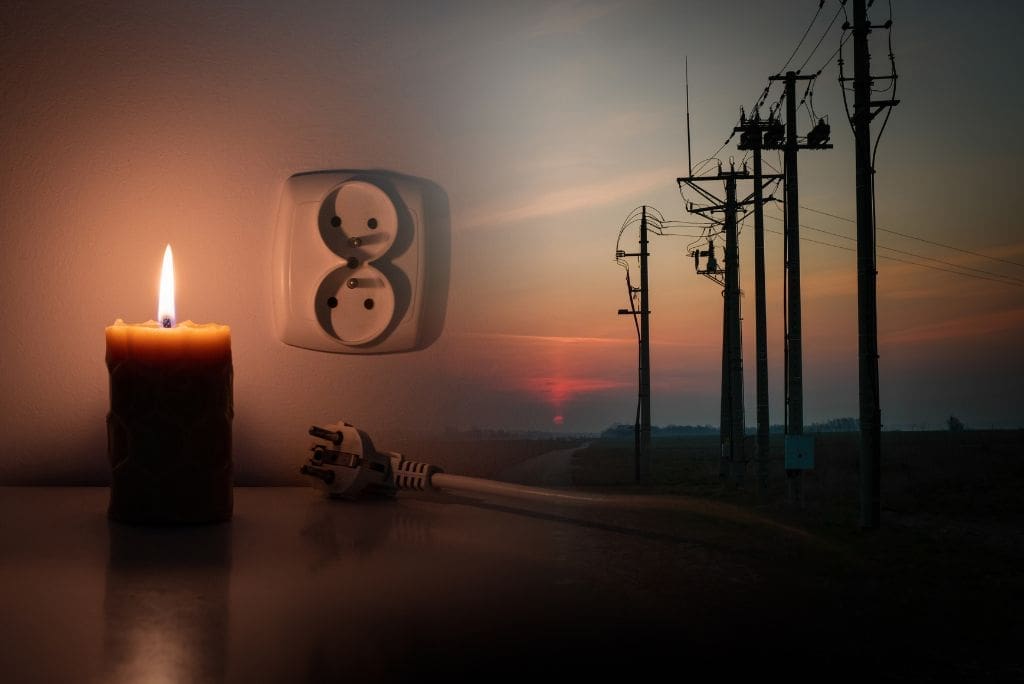
A massive blackout plunged Spain, Portugal, southern France, and Andorra into darkness on April 28, 2025, unleashing chaos that exposed the fragility of electrical systems and the absence of a clear emergency strategy.
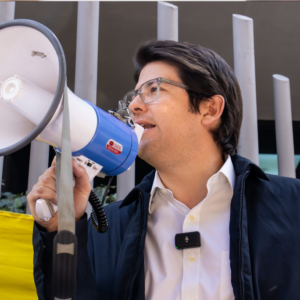
The president of a well-known television network stated that this incident reflects unacceptable improvisation, a failure that falls directly on the leadership of Spain’s Prime Minister, Pedro Sánchez.
The collapse began at 12:30 PM, affecting major cities like Madrid and Barcelona as well as smaller towns. Authorities estimated six to ten hours to restore power but provided no clarity on the causes.
Sánchez, in a press appearance without questions, vaguely stated that “no hypothesis is being ruled out,” a response that left the population in uncertainty and frustration.
Airports like Barajas and El Prat shut down, stranding thousands of passengers. In Madrid’s metro, hundreds were trapped in unventilated trains. Traffic lights failed, causing massive gridlock, and businesses shuttered.
Hospitals relied on emergency generators, but the lack of official coordination worsened the chaos. This disorganization calls into question Sánchez’s ability to manage critical crises.
A possible cyberattack is under investigation, but the lack of concrete information fueled discontent. The government’s response was slow and uncoordinated, with empty statements that failed to calm a desperate public.
Sánchez, whose leadership has been criticized for broken promises—like his 2022 pledge to prevent blackouts—seems more focused on maintaining his image than delivering real solutions.
International media described Madrid as a city “paralyzed by darkness” and criticized the government’s lack of coordination. These reports highlight the perception of a poorly prepared country, a responsibility that falls on a leader who has prioritized political maneuvering over national security.
School closures in Galicia, Catalonia, and Madrid were announced late, leaving families and workers unsupported.
However, the public showed remarkable resilience. At Barajas, passengers remained calm, and in neighborhoods of Cádiz and Seville, residents shared resources.
This community spirit contrasts with the inaction of a government that seems disconnected from the people’s needs.
Sánchez’s management has faced growing criticism. His track record of broken promises and controversial decisions, such as deals with separatists to stay in power, has eroded public trust.
This blackout is not just a technical failure but a metaphor for a leadership that leaves Spain in the dark, both literally and figuratively.
Energy security must be an absolute priority. Reliance on vulnerable systems demands urgent investment in infrastructure and robust contingency plans. Yet Sánchez has shown a concerning inability to anticipate crises, reacting only when the damage is irreversible.
Conservative values, rooted in prudence and responsibility, demand leadership that protects families and ensures stability.
Spain cannot remain at the mercy of Sánchez’s improvisation, whose obsession with power seems to outweigh his commitment to collective well-being.
This blackout must be a turning point. A nation’s strength is measured by its ability to prevent and overcome crises. Sánchez has failed in this duty, and his legacy risks being defined by darkness, not light. It’s time for a change that restores trust and secures a safe future for all Spaniards.
About The Author