FIFA Bows to Global Outrage and Lowers Ticket Prices for National Team Fans in the 2026 World Cup Final, from Over $4,000 to Just $60
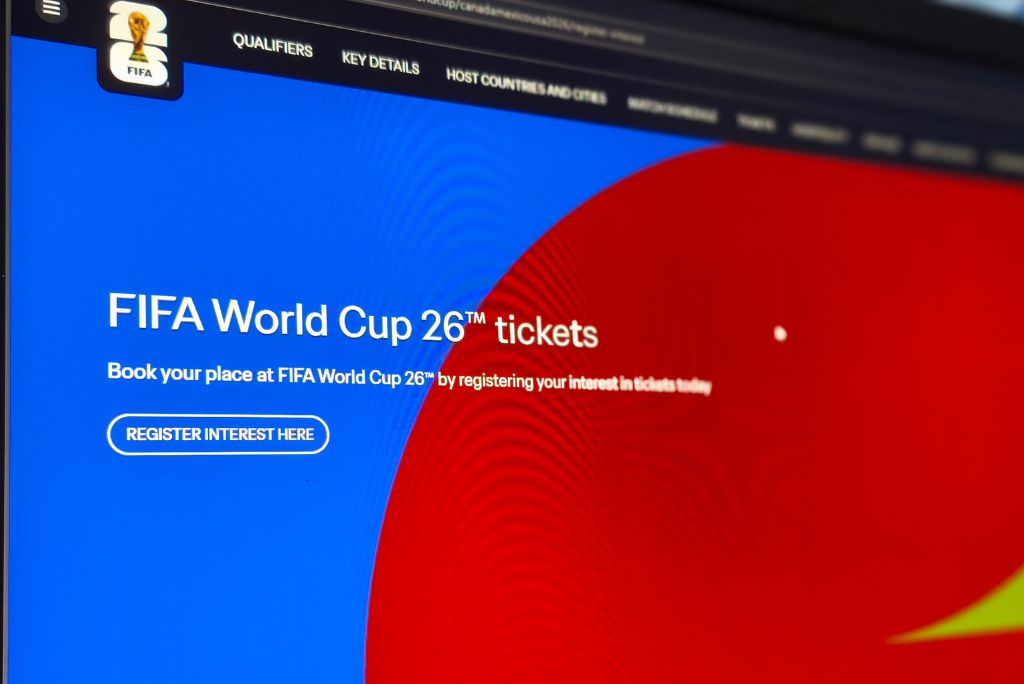
© bangku ceria / Shutterstock
FIFA was once again exposed after being forced to drastically lower the price of some tickets for the final of the upcoming World Cup, following a wave of global criticism.
Fans considered “loyal,” with years of support and travel behind their national teams, had initially been asked to pay up to $4,185 for a seat in the decisive match.
After the scandal, the organization announced that some of these supporters will finally be able to access tickets for around $60.
The correction came late and poorly, driven by public pressure rather than an internal reflection on the social role of football.
The initial decision once again revealed the direction that international football has taken, a business increasingly detached from the social base that sustains it.
FIFA, the highest authority of the king of sports, justified the rectification due to the “negative reaction” received, an implicit admission that the original approach was not only unpopular, but deeply irresponsible.
The announcement was made at the last minute and without a clear explanation of the criteria used to set such disparate prices. No details were provided about actual costs or about the internal control mechanisms that should prevent this type of abuse.
The episode occurs in a particularly delicate context, as the World Cup is presented as a global, family-friendly, and inclusive celebration, but the exorbitant prices had turned the final into a privilege reserved for economic elites.
FIFA reduced the price of some World Cup tickets for the most loyal fans of their teams after a worldwide negative reaction, and some will get $60 seats for the final instead of having to pay $4,185.
The risks of sports governance dominated by greed and lack of controls, a pattern that has been repeating for decades in FIFA.
The price reduction does not respond to a defense of the fan, but to fear of reputational damage that is difficult to reverse.
While some progressive media have treated the issue as a simple market correction, the facts point to a structural problem: global organizations that operate without clear limits, disconnected from the reality of millions of families.
READ MORE:
About The Author