U.S. Energy Secretary Estimates That Venezuelan Oil Sales, Under Washington Management, Could Reach More Than $10 Billion Annually
ID del elemento: 2722429671
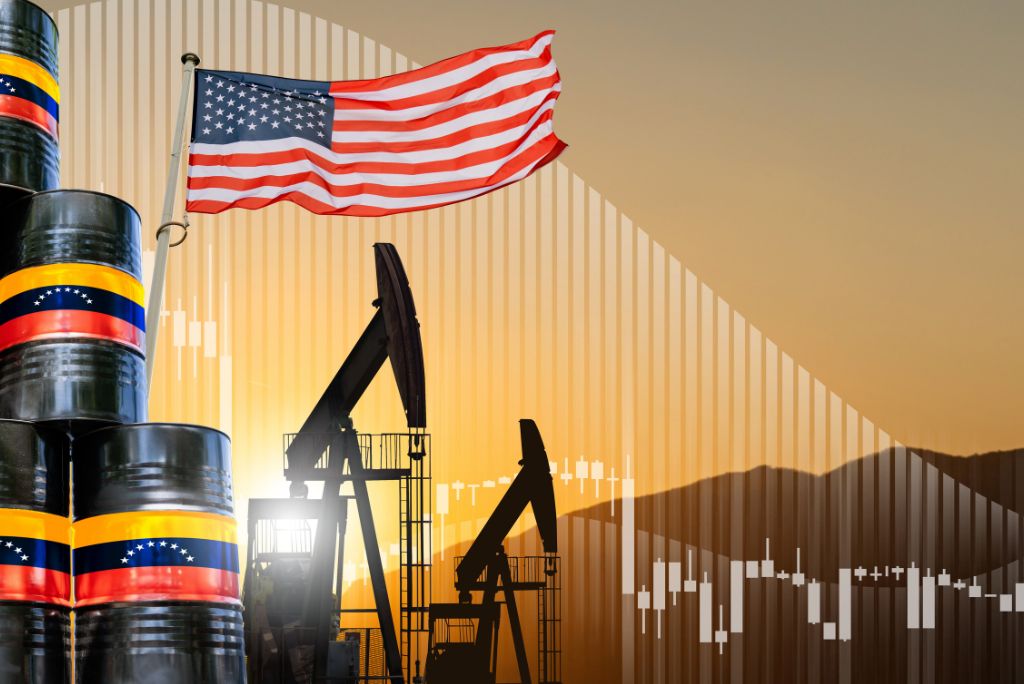
U.S. Energy Secretary Chris Wright has confirmed that Washington’s direct management of Venezuelan oil exports is already generating concrete and immediate results.
According to his statements, to date approximately one billion dollars in Venezuelan crude have been sold, and agreements have already been signed to sell another five billion dollars in the coming months.
This makes it possible to project annual revenues exceeding ten billion dollars, resources that will be entirely dedicated to beginning the reconstruction of Venezuela following the capture of former dictator Nicolás Maduro on January 3, 2026.
Wright, who visited Caracas last week —the highest-level visit by a U.S. official in nearly three decades focused on energy—, toured oil facilities alongside interim President Delcy Rodríguez.
At Petropiar, a complex operated in a joint venture between Chevron and PDVSA, he highlighted investments of more than one hundred million dollars to double production in 12 to 18 months and quintuple it in five years.
The oil is already being directed to U.S. and European refineries, taking advantage of the specific type of heavy crude for which the plants were designed in the 1970s and helping to reduce the cost of asphalt production for roads in the United States.
The funds are no longer deposited in an account in Qatar controlled by Washington, as initially occurred with 500 million dollars to avoid creditor embargoes. They now go directly to a U.S. Treasury account, ensuring they reach Venezuela transparently and urgently, without risk of freezing.
Wright emphasized that this mechanism allows “to start rebuilding a country and a society, to reestablish a free press and a representative government,” all without U.S. soldiers on the ground and without a single dollar from the American taxpayer.
In his words, it is “out-of-the-box diplomacy” from President Trump that marks “a before and after.”
This transformation comes after more than two decades of socialist disaster. Under Maduro, oil production collapsed despite Venezuela possessing the world’s largest proven reserves.
Today, with current production close to one million barrels per day, the Trump administration is pushing for a “dramatic increase” in oil, gas, and electricity.
The president himself has called on U.S. companies for at least 100 billion dollars in investment to restore infrastructure, opening the sector to private capital and reversing the Chavista nationalization that sank the country.
Indefinite control of sales until a stable transition is achieved ensures that revenues benefit the Venezuelan people and not corrupt structures from the past.
Wright summarized it clearly: “We are talking about quite a bit more than 10 billion dollars a year.” It is the beginning of a prosperous Venezuela, integrated into the Western Hemisphere and forever distanced from the failed model that left hunger, exodus, and ruin.
About The Author