Colombia Rejects Eight Foreigners, Several of Them Americans, in Less Than 48 Hours for Attempted Sex Tourism in Medellín and Reaches 41 Inadmissions in Antioquia
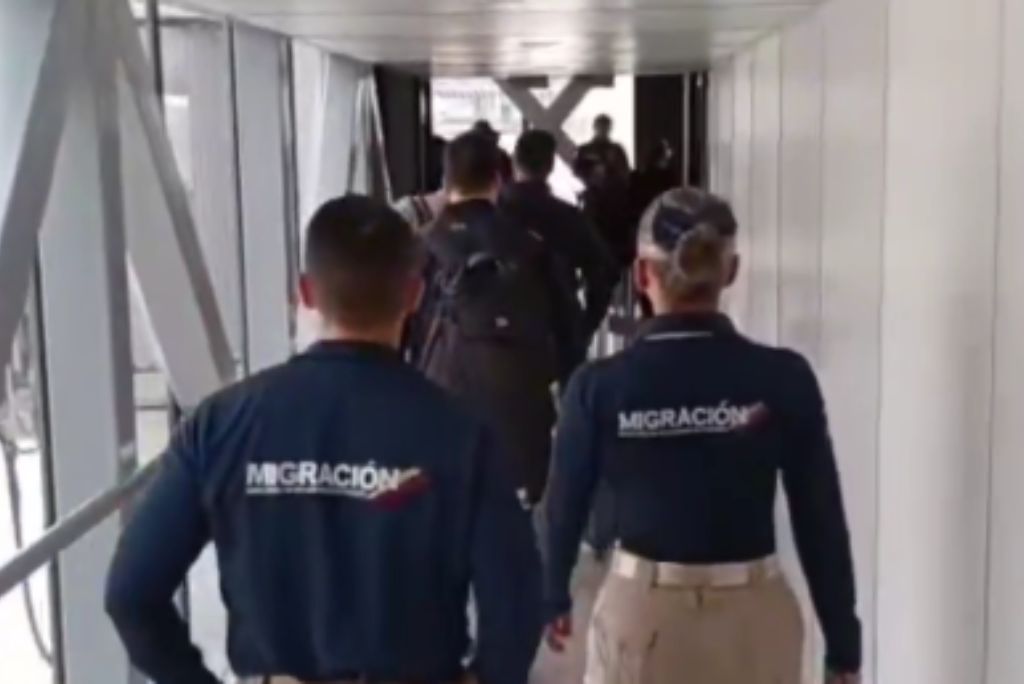
Colombia inadmitted and expelled eight foreigners between April 14 and 15, 2026, at José María Córdova International Airport in Rionegro, the gateway to the Aburrá Valley.
The controls, strengthened by alerts of an increase in this type of tourism, revealed that the travelers declared tourist purposes, but their true intentions pointed to sexual exploitation, as determined by immigration interviews and baggage inspections.
Among those inadmitted are five U.S. citizens, including a retired police officer from that country, and three of Indian origin with U.S. nationality.Four of them were returned on flights to Miami, while the remaining ones returned to Panama on Copa Airlines and Spirit Airlines routes.
The officers detected items such as unusual quantities of condoms and objects for sexual use in their belongings, in addition to direct confessions during the interviews that activated paragraph 15 of Decree 1727, for reasons of sovereignty and national security.
In the course of 2026, Antioquia has accumulated 41 inadmissions for this reason at Rionegro Airport (some updated reports mention 46), which represents almost half of the national cases, which exceed 60.Between 2025 and 2026, Migración Colombia has rejected a total of 170 foreigners for tourism with purposes of sexual exploitation, with 70% of the inadmissions concentrated in Medellín and its metropolitan area.
The majority of those rejected are Americans. The Angel Watch system, which alerts about sexual abusers of minors, has contributed to 11 of the Antioquian cases, while 29 were detected solely through immigration interviews.
The authorities have intensified the profiling of passengers by nationality, gender, age, and flight origin, cross-referencing data with Interpol and homologous U.S. agencies.
This responds to a real and worrying increase in sex tourism in Medellín, which social networks and communities such as the “Passport Bros” have openly promoted as an easy destination for foreign men seeking paid encounters, often with vulnerable women or minors.
Far from being a marginal phenomenon, this flow threatens the security of Colombian women and the very image of a city that is fighting for its recovery.
The Colombian State exercises its sovereignty without complexes or ideological concessions. It is not about xenophobia, but about defending national dignity in the face of those who see our women as merchandise.
Migración Colombia continues to apply deportations, expulsions, and re-entry bans of up to five years, ensuring that controls will be maintained and strengthened.
About The Author