Miriam Adelson Boosts Republican War Chest with $40 Million to Defend Congressional Control in the 2026 Midterm Elections
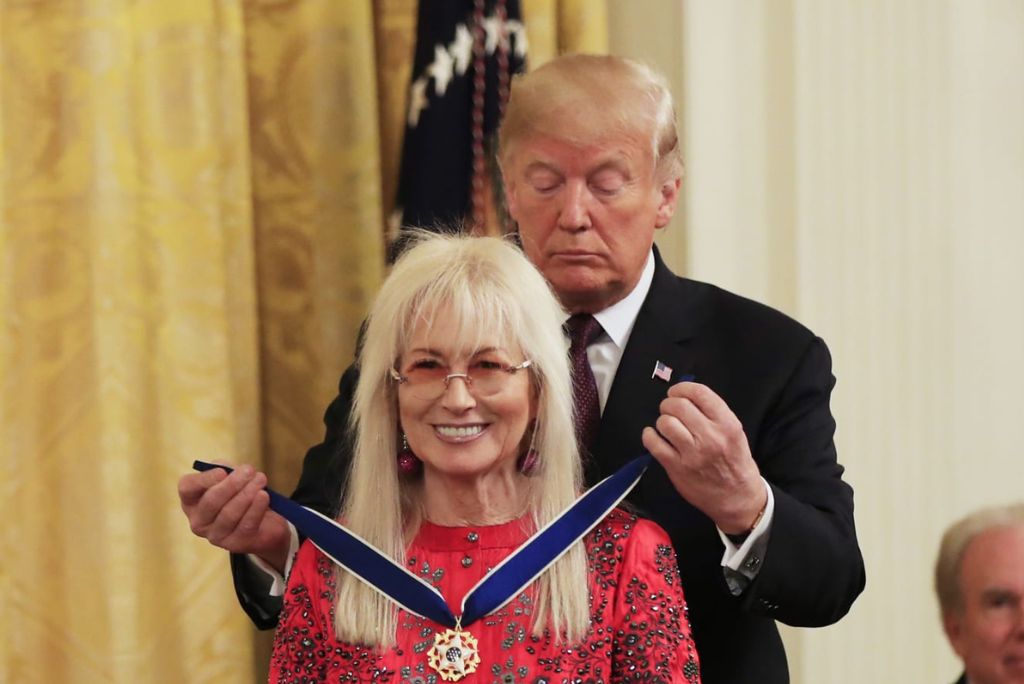
Megadonor and pro-Israel advocate Miriam Adelson has injected $40 million into the main Republican super PACs tasked with protecting the majority in the Senate and the House of Representatives ahead of the November 2026 elections.
According to filings from the Federal Election Commission (FEC) submitted on April 15, 2026, Adelson contributed $30 million to the Senate Leadership Fund —the largest individual donation in the history of that committee— and $10 million to the Congressional Leadership Fund.
This contribution comes at a critical moment for the Republican Party, which is seeking to maintain control of both chambers of Congress while facing an intense battle against the Democratic fundraising machine.
Adelson, the widow of the late casino magnate Sheldon Adelson and current majority owner of Las Vegas Sands Corp., is one of the leading longtime conservative funders.
Her donation is not an isolated gesture: it is part of a consistent history of support for Republican and pro-Israel causes, which includes millions of dollars in previous election cycles, including massive backing for Donald Trump in 2024.
With this contribution, she solidifies her position as the top individual Republican donor in the 2026 cycle so far, directly strengthening the operations of the committees that coordinate the national strategy to defend key seats in competitive states.
The Senate Leadership Fund, aligned with Republican Senate leaders, thus receives a decisive boost just as Republicans have outlined a battle plan of approximately $342 million to preserve their majority in the upper chamber, focusing on states such as Alaska, Iowa, and Ohio.
For its part, the Congressional Leadership Fund, which supports House candidates, also benefits from this fresh flow of resources in a year where preliminary polls show a tight landscape.
This capital injection allows Republicans to counter the financial activism of the left, which in parallel has seen George Soros contribute $50 million to his Democratic super PAC during the same reporting period.
From a conservative perspective, this donation underscores the commitment of private donors to defending values such as national security, unwavering support for Israel, and a strong economy, in contrast to the leftist agenda that prioritizes uncontrolled public spending and policies that weaken American sovereignty.
Adelson is not only funding campaigns; she is investing in the stability of a Congress capable of blocking the advance of radical policies that have already proven their failure in recent years. Her action serves as a reminder that legitimate private financing remains an essential tool to level the playing field against the Democratic establishment and its megadonors.
In summary, Adelson’s $40 million represents a strategic strike that raises the level of Republican preparedness for the 2026 midterms.
It is not about buying influence, but about ensuring that conservative candidates have the necessary resources to deliver their message of freedom, prosperity, and security to voters.
About The Author