Suicide Bombing in Bilda Injures Civilians as Pope León XIV Begins Historic Visit to Algeria Focused on Christian–Muslim Coexistence
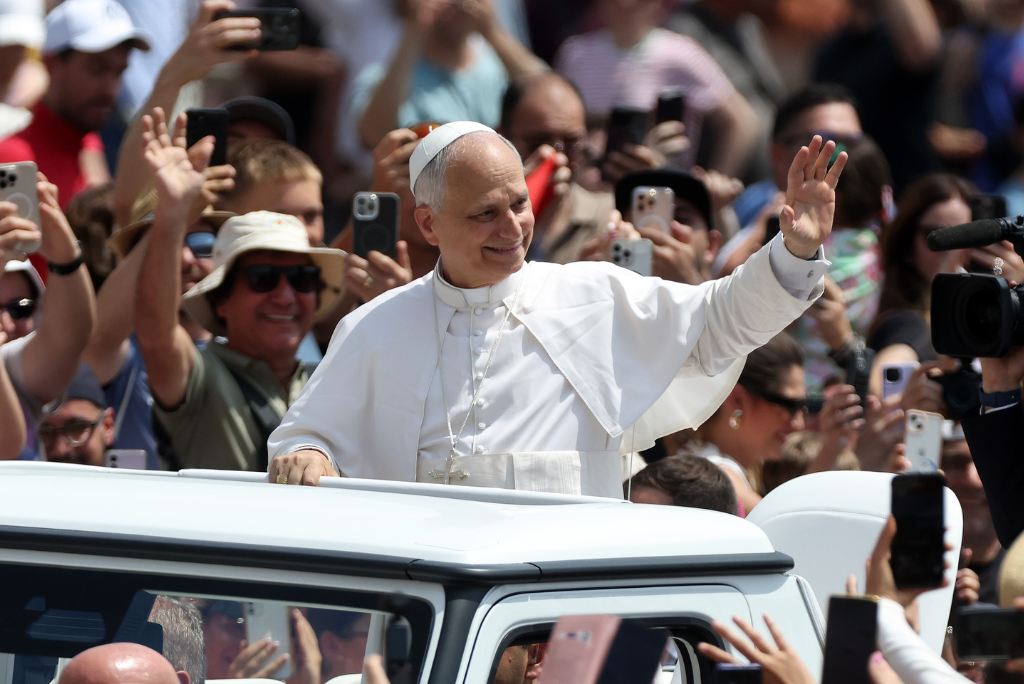
On the first day of a closely watched and highly symbolic visit to Algeria, an act of violence disrupted the message of dialogue and reconciliation that Pope León XIV had come to promote. Two suicide attackers detonated explosives in the town of Bilda, located about 45 kilometers from the capital, Algiers, where the pontiff had begun his official engagements. The attack left several people injured and immediately raised security concerns surrounding the visit.
The papal trip—described as “historic” by Vatican sources—was designed to strengthen interfaith relations in a country where Islam is the dominant religion and Christians represent a small minority. Algeria has long been regarded as a complex yet important setting for such outreach: a nation shaped both by a deep religious identity and a painful history of extremist violence.
In his first address, Pope León XIV emphasized coexistence between Christians and Muslims, calling for “mutual respect, shared dignity, and the rejection of violence carried out in the name of faith.” His message aligns with broader Vatican efforts in recent years to build bridges with the Muslim world, echoing interreligious initiatives and diplomatic engagement across North Africa and the Middle East.
However, the attack in Bilda, which occurred just hours after his arrival, created an immediate and stark contrast between message and reality.
Algeria’s recent history helps explain the weight of that contrast. The country endured a brutal internal conflict during the Algerian Civil War, when extremist groups carried out widespread attacks against civilians, government forces, and foreigners. Although the situation has improved significantly over the past two decades—with strong counterterrorism measures reducing the operational capacity of such groups—sporadic incidents like the Bilda bombing serve as reminders that the threat has not entirely disappeared.
Authorities have not immediately identified the attackers, but such acts are typically linked to jihadist networks operating in the region, including factions historically associated with transnational organizations. These groups often aim to undermine both domestic stability and international cooperation efforts, particularly during high-profile events that symbolize unity or progress.
This context makes the timing of the attack especially significant. The Pope’s visit was not only religious in nature but also diplomatic—an effort to reinforce Algeria’s role as a partner in interfaith dialogue and regional stability. Scheduled events included meetings with local religious leaders, visits to historic Christian sites, and a public call for peace and coexistence.
The bombing, however, risks complicating how that message is received.
For critics of interfaith initiatives, incidents like this may appear to highlight a gap between idealistic rhetoric and realities on the ground. They argue that calls for coexistence can underestimate the persistence of extremist ideologies that outright reject pluralism.
Supporters of the Pope’s approach see it differently. They argue that such violence is precisely why engagement is necessary—that abandoning dialogue would only deepen divisions and reinforce the narratives promoted by extremist groups. From this perspective, coexistence is not invalidated by violence; rather, it becomes more urgent.
What emerges is not a simple contradiction, but a complex tension. On one side stands a vision of peaceful coexistence grounded in shared humanity and faith. On the other, the presence of actors who actively seek to disrupt that vision through violence and fear.
The events in Bilda underscore a difficult but essential reality: coexistence is neither automatic nor guaranteed. It requires sustained political will, effective security measures, cultural engagement, and, above all, resilience in the face of those who attempt to undermine it.
As Pope León XIV continues his visit under heightened security, the symbolic weight of his presence in Algeria has only increased. The key question now is whether the message of unity can endure in an environment where forces of division remain active—and whether acts of violence like this will ultimately overshadow, or reinforce, the need for the dialogue he came to promote.
Read more:
About The Author