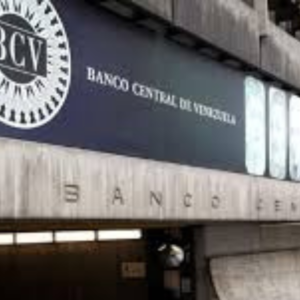
U.S. lifts sanctions on Venezuela’s Central Bank and reopens access to the global financial system under strict oversight
The United States has made a decisive move in the Venezuelan landscape.
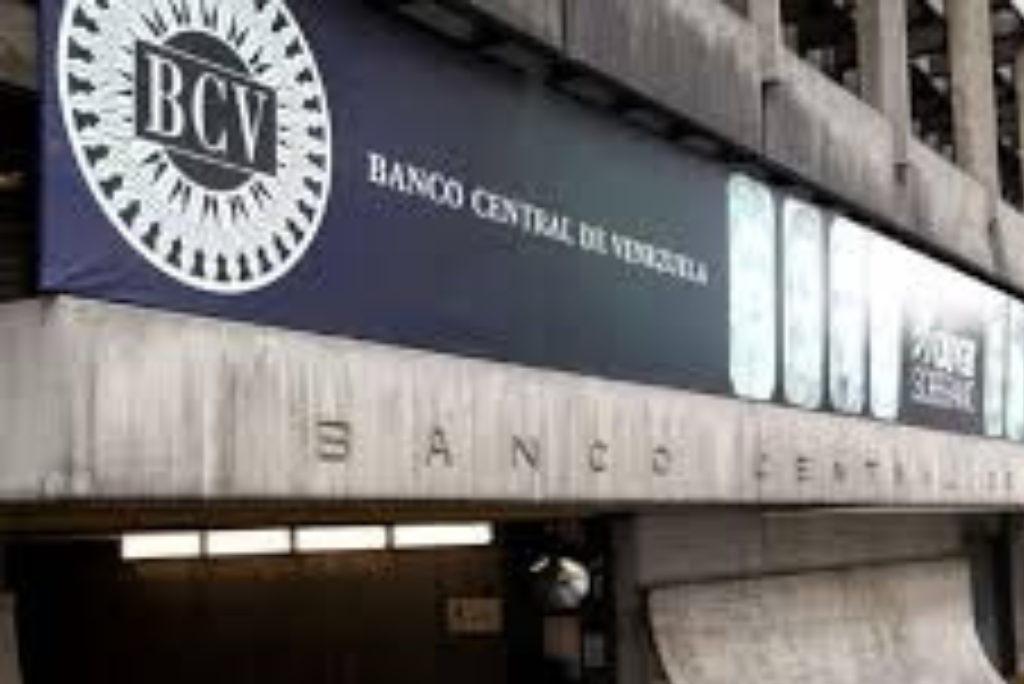
The administration of President Donald Trump announced the partial lifting of sanctions imposed in 2019 on the Central Bank of Venezuela, marking a significant shift in Washington’s strategy toward the country.
The measure was formalized by the Office of Foreign Assets Control (OFAC), which issued new licenses allowing financial transactions with several Venezuelan state institutions.
For years, these sanctions effectively cut Venezuela off from the global financial system, restricting access to foreign currency, blocking international transfers and discouraging foreign investment.
This new step changes the equation.
Banks will now be able to process international payments, companies may regain access to dollar transactions, and foreign capital could begin to flow again—at least in a controlled manner.
However, this is not a full rollback.
The U.S. government maintains strict oversight, and sanctions against individuals linked to corruption or illicit activities remain firmly in place.
The strategy is clear: controlled opening without losing leverage.
After years of economic pressure that failed to produce a complete political transformation, Washington appears to be shifting toward a more pragmatic approach—combining economic flexibility with institutional pressure.
In practical terms, the measure could gradually revive Venezuela’s financial system.
Businesses may find it easier to operate, international transactions could normalize, and access to hard currency might stabilize parts of the economy.
But the real challenge goes beyond financial mechanics.
Without legal certainty, institutional independence and credible governance, any recovery will remain fragile.
Markets do not respond to political gestures alone—they respond to trust. And trust is still in short supply.
Meanwhile, the Venezuelan population continues to face the consequences of years of economic mismanagement, including inflation, declining purchasing power and deteriorating public services.
The key question remains unanswered:
Will this financial opening translate into real economic recovery, or will it be absorbed by the same dysfunctional structures that caused the crisis?
The United States has opened a door.
But it has not handed over the keys.
And that distinction matters.
Because history has shown that resources without accountability often reinforce the very systems that led to collapse in the first place.
At its core, the problem remains unchanged.
For years, socialist policies driven by the political left dismantled institutions, destroyed productivity and turned a resource-rich nation into a symbol of economic failure.
Without law, order and respect for private property, no financial relief will be enough.
Recovery is not declared. It is built.
About The Author