U.S. Marines Seize Iranian Vessel Linked to Sanctions, Investigate Sensitive Cargo
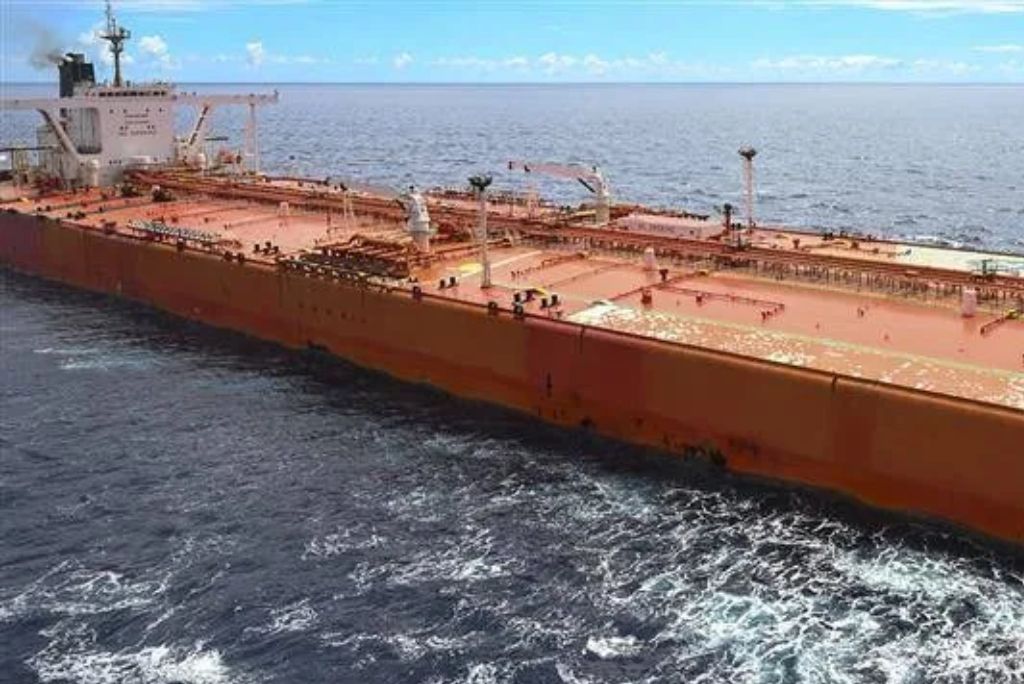
United States forces intercepted and boarded an Iranian cargo vessel identified as Touska in a maritime operation that could have significant geopolitical implications.
According to confirmed reporting, the ship—previously linked to sanctions—was stopped after failing to comply with warnings from U.S. authorities. Marines subsequently boarded and took control of the vessel.
US forces raid and seize a sanctioned, stateless oil tanker carrying Iranian oil in the Indian Ocean. pic.twitter.com/oQ6Mwr3u8m
— GBX (@GBX_Press) April 23, 2026
Suspicious cargo under review
Preliminary assessments indicate the cargo may include “dual-use” materials, meaning goods that can serve both civilian and military purposes. These types of materials are closely monitored due to their potential application in missile development or other strategic programs.
The vessel is reported to have operated through ports in Asia, including China, raising concerns about possible international supply networks and attempts to circumvent sanctions.
However, there is no official confirmation that the cargo contained specific chemicals for ballistic missile production, and authorities have not yet released a full inventory of the shipment.
Security experts note that dual-use materials often include industrial components, machinery, or substances that may be repurposed for military use depending on their final destination.
Sanctions context and strategic implications
The interception of the Touska takes place within the broader framework of international sanctions imposed on Iran, particularly by the United States, in response to its ballistic missile program and regional activities. These sanctions target key sectors including shipping, finance, and trade, and frequently involve blacklisting specific vessels and entities.
Within this environment, dual-use goods have become a central concern for enforcement agencies. While not inherently illegal, such materials can play a critical role in the development of advanced military capabilities if diverted from civilian use.
Analysts point to an increasing pattern of complex supply networks designed to evade sanctions. These often involve intermediary companies, indirect shipping routes, and the use of major commercial hubs—particularly in Asia—to obscure the origin and destination of sensitive cargo.
Maritime transport remains especially difficult to monitor in full, with tactics such as flag changes, layered ownership structures, and fragmented shipments complicating enforcement efforts.
From a geopolitical standpoint, the operation reflects a broader U.S. strategy to intensify monitoring and enforcement along key maritime corridors, particularly in regions such as the Gulf of Oman and the Strait of Hormuz—critical chokepoints for global trade and energy flows.
Ongoing investigation
U.S. authorities have not yet issued a comprehensive public statement detailing the contents of the cargo or potential legal actions. More information is expected as the investigation progresses.
For now, the Touska case underscores growing international concern over the movement of sensitive materials and highlights the ongoing tensions surrounding Iran’s military capabilities and the enforcement of global sanctions.
About The Author