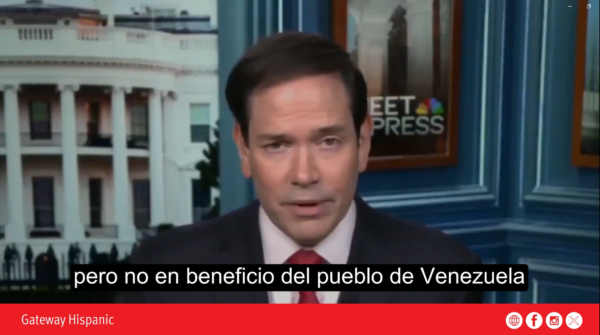
Venezuela’s interim president, Delcy Rodríguez, sparked debate by publicly thanking U.S. President Donald Trump for what she called his administration’s “kind willingness to work together” on a bilateral cooperation agenda aimed at benefiting both the people of the United States and Venezuela. Rodríguez highlighted that the U.S. delegation in Caracas included an “important business representation,” reflecting Washington’s growing economic interest in engaging with her government.
In her message, shared on social media, she described the current dynamic with the Trump administration as cooperative and thanked him for welcoming joint efforts, particularly in the energy sector as Venezuelan oil resumes flows to the United States. Trump, in turn, publicly praised Rodríguez’s work and noted that Venezuelan oil “is beginning to flow” and highlighted the professionalism and dedication shown in bilateral cooperation — a remarkable rhetorical contrast to years of antagonism between the two countries.
The most striking aspect of Rodríguez’s remarks was her attempt to frame the relationship with Washington as one of a “partner and friend,” despite Caracas’s long history of hostility toward the U.S. and the longstanding sanctions that have severely impacted the Venezuelan economy. Rodríguez reiterated her call for the lifting of those sanctions, a demand that overlooks the fact that U.S. sanctions were imposed to press the Venezuelan regime over systemic human rights abuses and corruption.
Critics — especially within Republican and anti–chavismo circles — argue that this apparent diplomatic pivot is more an attempt by Rodríguez to legitimize her regime than a genuine gesture of cooperation. They note that while Trump has signaled a willingness to engage, there is no indication that the White House has softened its critical stance toward Venezuela’s internal abuses. Indeed, Washington has linked increased cooperation to specific reforms and continues to maintain pressure on Caracas.
The outreach occurs against a backdrop of heightened diplomatic activity, including high–level U.S. visits to Caracas and discussions on energy and mineral cooperation, but also continued insistence on reforms and accountability. Some analysts in Washington view Rodríguez’s newfound friendliness with skepticism, warning that any economic or diplomatic gains cannot come at the expense of overlooking years of documented misrule and repression by the Venezuelan regime.