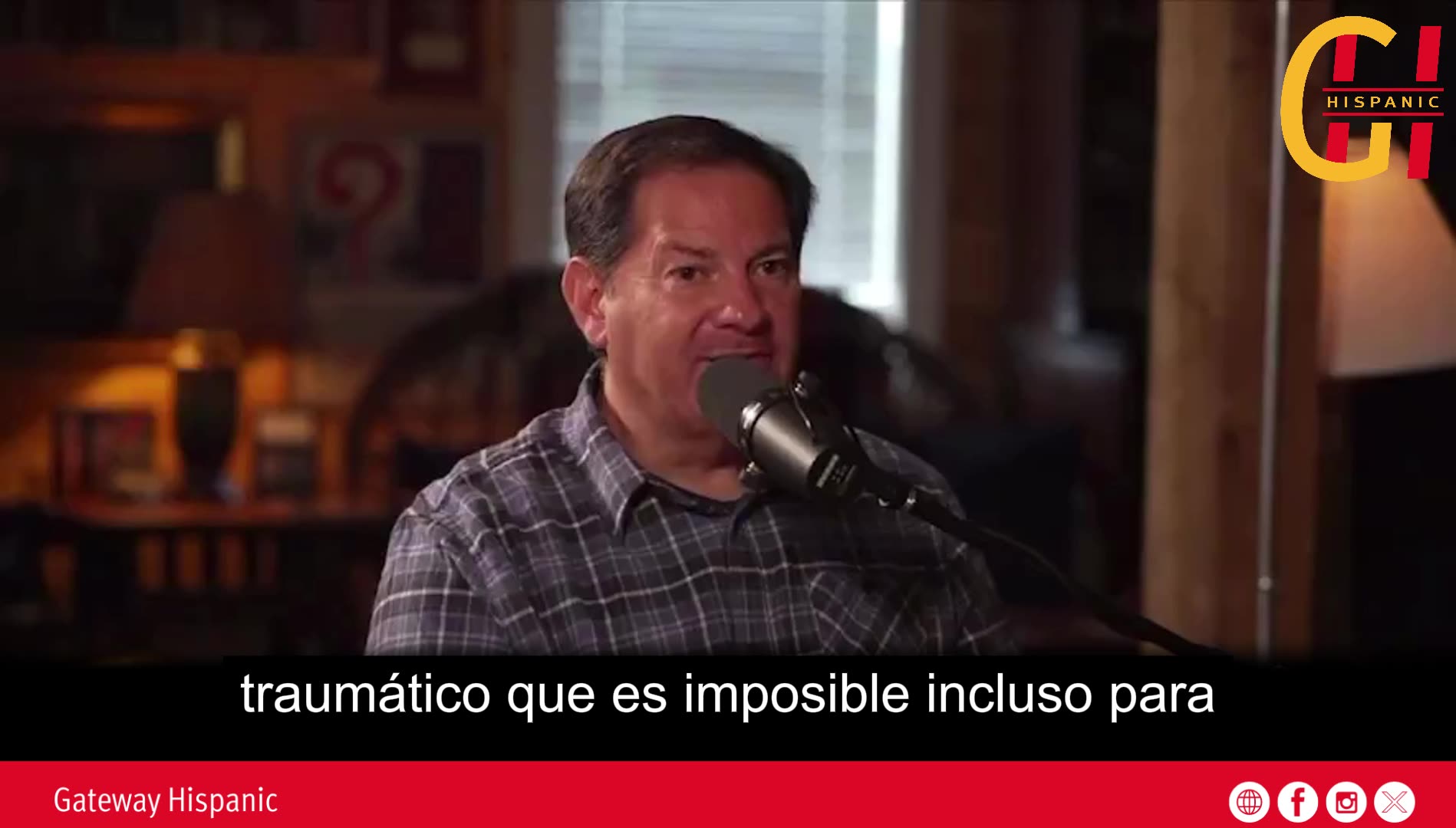
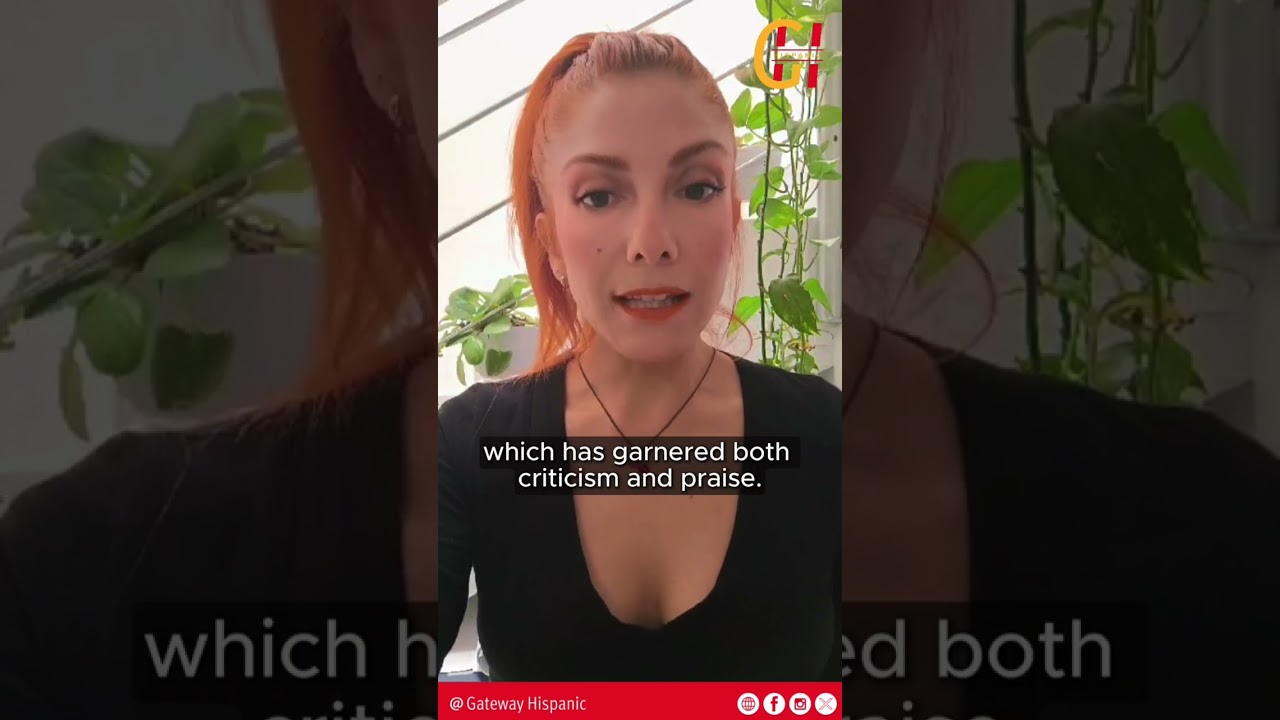
Attorney María Herrera Mellado returned to the Sánchez Grass en América program to address a topic that has shaken the political and migratory landscape of the Caribbean: the forceful change in posture by several governments in the region in response to the advance of drug trafficking and 21st-century socialism — a shift that, according to the analyst, stems directly from the pressure exerted by President Donald Trump’s administration.
Herrera Mellado described as “excellent news” the recent turnaround in the Dominican Republic, a country that in recent years had become —she explained— a refuge for criminals, drug traffickers, and figures linked to foreign socialist governments. She also recalled that the island had experienced a troubling flow of unreported visits from Spanish Prime Minister Pedro Sánchez, as well as the arrival of leaders from Spain’s Socialist Workers’ Party seeking protection. For Herrera Mellado, this dynamic was not only suspicious but also “despicable and repressive,” as it turned the Caribbean nation into a functional enclave for networks and actors associated with authoritarian regimes.
The attorney highlighted that this scenario has begun to change thanks to the clarity and firmness shown by President Trump in his foreign policy, particularly regarding allies of the so-called narco-regimes. The Republican administration, she emphasized, has made it extremely clear that those who choose to align themselves with dictatorships such as Maduro’s will face real consequences: from the suspension of aid to the imposition of higher tariffs, in addition to concrete actions in security, trade, and migration. This type of pressure, she added, is beginning to yield tangible results.
In that regard, she pointed to the positive response from Dominican President Luis Abinader and his government, which now appears more aligned with multilateral efforts to contain drug trafficking and halt the expansion of continental socialism. Trinidad and Tobago, she mentioned, has also adopted a firm stance, evidencing a growing trend among countries that understand the region can no longer tolerate the corrosive influence of these criminal networks.
Herrera Mellado also welcomed the fact that Honduras is accepting and receiving migrants who entered during the Biden administration, noting that such actions help deactivate the incentives created by the Democratic government’s lax immigration policies. For her, this regional adjustment is essential to stopping the advance of socialist movements and the criminal groups that operate under their shadow.
The conversation took a geopolitical turn when Sánchez Grass presented recent news about drug seizures and the increasing involvement of the Dominican Navy in these operations. Herrera Mellado interpreted these developments as an unequivocal sign that the fight against drug trafficking is no longer a unilateral effort by the United States, but is becoming a coordinated action among several governments that are directly affected by Caribbean networks. What once seemed like a solitary battle is now beginning to be understood as a shared challenge.
For the analyst, the reading is clear: the Trump administration has once again set the tone of hemispheric policy, forcing countries to define themselves and choose between cooperation with the U.S. or complicity with criminal regimes. And, according to Herrera Mellado, more and more nations are choosing the right path, sending a resounding message to 21st-century socialism and the cartels that hide behind it.