Antonio Moreno Ruiz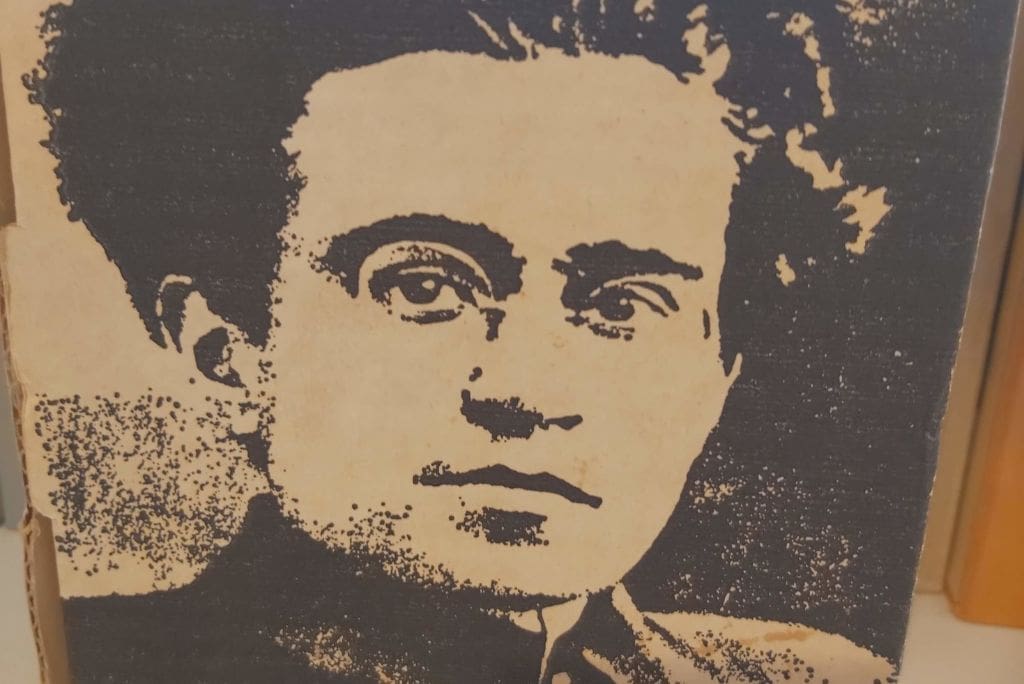
Cultural hegemony, a concept originally developed by the Marxist theorist Antonio Gramsci, refers to the way in which a ruling class or dominant group imposes its worldview, making its ideas appear as the «common sense» or default perspective of society. This framework helps us understand how power dynamics shape cultural narratives and influence public opinion.
While the terms «left» and «right» increasingly seem to lack definitive meaning, we will use them for clarity in this discussion. In this context, it is evident that the left often operates several steps ahead of the right, frequently gaining the upper hand in the cultural and political arenas.
Not long ago, many anticipated the decline of 21st-century socialism; however, the Sao Paulo Forum has evolved into the Puebla Group, exerting substantial influence over much of the Americas, with its reach extending from the United States to Spain. This transformation highlights the resilience and adaptability of leftist movements in the face of criticism and predicted obsolescence.
The left has demonstrated a far greater understanding of the cultural battle, particularly since the establishment of the Sao Paulo Forum by Fidel Castro and Lula da Silva. Their strategy has been to infiltrate and capitalize on social and cultural movements, ensuring their influence permeates not just electoral politics but also education systems, cinema, music industries, and universities. Ultimately, politics is merely a reflection of deeper cultural shifts, and even economic realities are shaped by these ideological battles.
The considerable power of chavismo in Venezuela, for example, would be incomprehensible without the involvement of numerous entrepreneurs who prioritize business interests over national allegiance. Similarly, the rise of «wokeness» cannot be fully understood without acknowledging the support of influential oligarchs. Such dynamics are also well recognized by the Chinese regime, which has leveraged cultural narratives to bolster its political and economic objectives.
When we add the alarming connection to drug trafficking into this volatile mix, the implications become even more serious. Meanwhile, the right appears mired in its own bubbles, often focused on outdated narratives and internal divisions, which hinder effective navigation of contemporary challenges. While similar issues exist within leftist movements, the infrastructure they have built is so comprehensive that it allows for a more cohesive and agile response.
The right finds itself lagging behind, with some factions clinging to Cold War ideologies, even as the world continues its rapid transformation. The cultural landscape is increasingly shaped by those who rose to prominence from the movements of May ’68 to Woodstock, now reaching a fever pitch of political extremism.
As the left maintains its cultural hegemony, it shapes not only the narrative but also the parameters of public debate. While the current landscape is undeniably challenging, it is also true that as long as there is life (and faith), there is hope. Not everything is lost.
However, for the right to reclaim its influence, the first step must be a candid acknowledgment of reality, followed by strategic action. Until this recognition occurs, others will continue to prevail, and what may seem like victories will ultimately prove fleeting.
About The Author