The president Trump signed a proclamation introducing a $100,000 fee for H-1B visas, a no-nimmigrant visa.
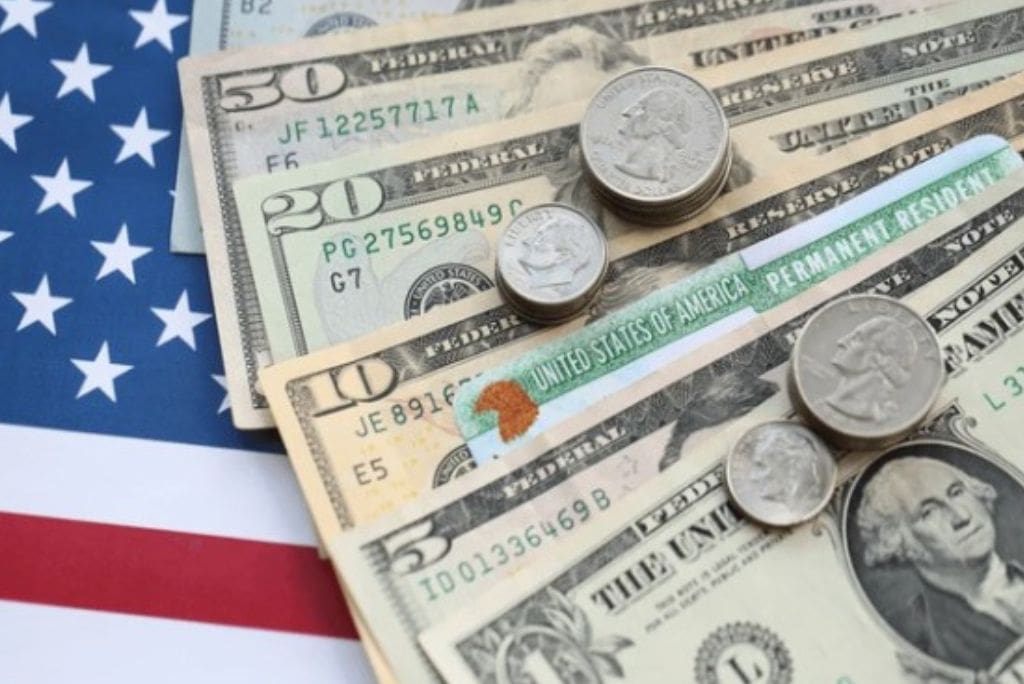
In September 2025, President Donald Trump’s administration signed a proclamation introducing a $100,000 fee tied to H-1B visa applications, the most widely used U.S. program for hiring highly skilled foreign workers in sectors such as technology, engineering, and research.
This measure is part of a broader set of executive actions aimed at limiting the entry of foreign workers, with the stated purpose of “protecting American jobs” and reviewing the prevailing wages within the program.
What is the H-1B visa and why does it matter?
The H-1B visa is a nonimmigrant visa that allows U.S. companies to temporarily hire foreign workers in specialized occupations that generally require a university degree or its equivalent.
The program is crucial for the tech sector and for companies that recruit STEM-trained professionals; moreover, a very high percentage of beneficiaries come from India and other countries with large pools of technical talent.
The proclamation / measure
According to the proclamation signed by the White House, new H-1B visa petitions must be accompanied (or supplemented) by a $100,000 payment.
The official wording appears in the White House “Fact Sheet,” which also announces that agencies such as the Department of Labor and the Department of Homeland Security are instructed to review prevailing wages and strengthen oversight to prevent abuse.
Officials and subsequent communications have sought to clarify that, at least in practical terms, current holders would not automatically face surcharges if already in the U.S. under H-1B status, although the operational and legal impact remains to be defined.
The fee affects:
Sponsoring employers: They will, in practice, bear the cost when filing new petitions for foreign employees; this increases expenses for each H-1B worker hired.
Foreign candidates (new applicants): Access to certain jobs in the U.S. could decline if companies choose not to pay or reduce overseas hiring.
Most exposed sectors: Technology (Big Tech and startups), consulting firms, and outsourcing companies that rely on frequent H-1B talent rotation.
Several large firms and industry associations voiced alarm and began issuing recommendations to H-1B employees (for example, advising them to remain in the U.S. if uncertain about reentry).
Foreign governments:
Countries with large numbers of H-1B holders, such as India, expressed concern about the impact on families and on the global operations of their technology companies.
Analysts warned that the measure could face legal challenges and that its practical implementation will require detailed regulations and administrative processes from federal agencies.
Economic effects:
The $100,000 fee would represent, for many companies, an extremely significant cost increase per worker hired under H-1B; this could lead to fewer petitions, prioritization of local hires, or changes in outsourcing models.
Companies might prefer to invest in domestic training or shift hiring strategies toward citizens or permanent residents.
Sharp reductions in the flow of specialized talent could affect R&D projects and the technological competitiveness of firms that rely on foreign experts.
If the fee applies regardless of the salary offered, SMEs and startups (with tighter margins) could be more negatively affected than large corporations able to absorb the cost.
While the measure would generate substantial government revenue—if effectively collected—it may also result in reduced economic activity and indirect effects (fewer tax revenues from reduced activity, potential lawsuits delaying implementation).
Authority to impose fees: Substantially increasing visa fees and modifying requirements usually requires regulatory processes and, in some cases, additional legislation or consultation with Congress; legal analysts have noted that the proclamation opens the door to litigation and judicial review over whether the president can impose such a burden without further regulatory development.
Need for regulation: Effective application requires instructions from USCIS, the Department of Labor, and DHS—for example, determining exactly who it applies to, whether exemptions exist, whether it is annual per beneficiary, and how pending applications are handled.
President Donald Trump’s decision to impose a $100,000 fee on new H-1B visa applications represents a firm step toward protecting American jobs and a necessary reform of the employment-based immigration system.
For years, many companies have used the H-1B program to hire highly skilled foreign labor, but abuses and growing dependency have also been documented, contributing to wage pressure and reduced opportunities for local workers.
Far from being an arbitrary measure, this policy seeks to reorganize the labor market, regain control over who is allowed to work in the United States, and ensure that the benefits of economic growth reach American workers first.
Though controversial, it reflects a clear vision of economic and labor sovereignty, consistent with the “America First” policy.
About The Author