Trump Rewrites the Rules: Invites China and Russia to Buy Venezuelan Oil Under U.S. Control
© Lightspring / Shutterstock
President Donald Trump announced that he is willing to allow countries such as China and Russia to purchase Venezuelan oil managed by Washington.
The announcement came during a meeting with top executives from the oil industry at the White House, where Trump defended the decision for the United States to take control of Venezuelan crude sales as a strategy to prevent Beijing or Moscow from capitalizing on Venezuela’s vast energy resources.
Following the capture of Venezuelan narcotyrant Nicolás Maduro, U.S. forces assumed control over the commercialization of the South American nation’s oil and announced that Washington will oversee the export of millions of barrels of crude.
Trump stated that his administration is “open for business” with China and Russia. “China can buy all the oil it wants from us — there (in Venezuela) or here in the United States.
Russia can get from us all the oil they need,” he declared before executives from major oil giants such as Chevron, Exxon, Repsol, and Eni, among others.
The president justified his stance by claiming that without U.S. intervention, “Moscow and Beijing would have done it first.”
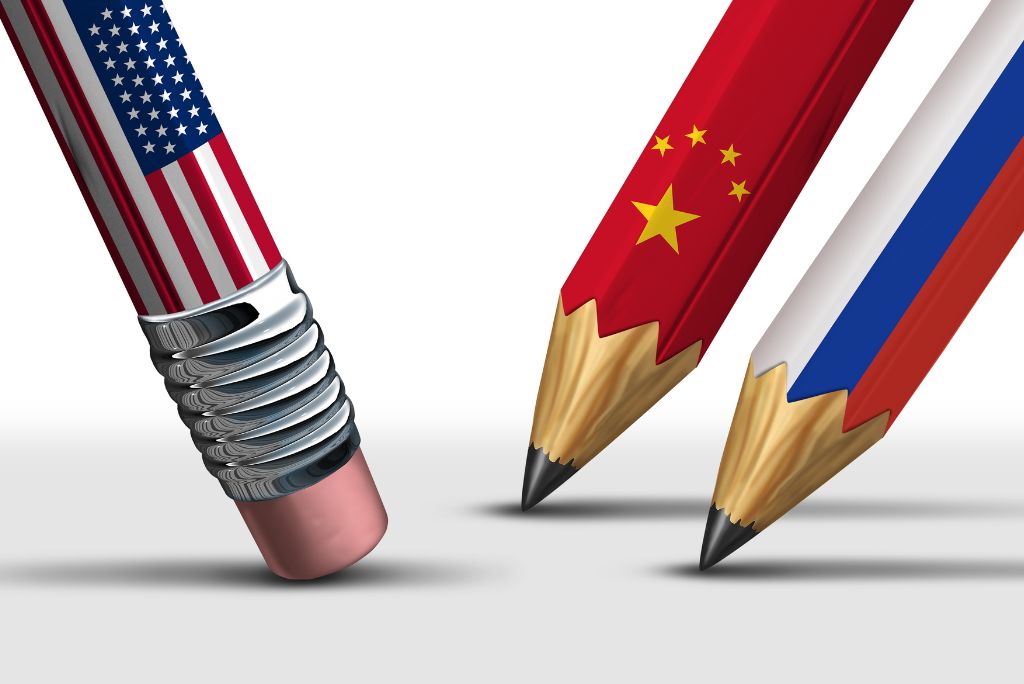
For Trump, U.S. involvement in the Venezuelan energy market is not only a commercial opportunity, but also a strategic position against China and Russia, nations with which he maintains geopolitical tensions.
But the announcement went beyond an invitation to purchase crude. Trump also urged major international oil companies to invest in rebuilding Venezuela’s energy sector, proposing a target of at least $100 billion in private investment to modernize refineries and infrastructure degraded after years of crisis.
However, not all companies present immediately embraced Trump’s vision. Executives at ExxonMobil, for example, described Venezuela as “uninvestable” under current conditions, citing legal barriers, lack of investment protections, and an unstable political environment as major risks that must be resolved first.
Meanwhile, other oil firms showed mixed reactions: Chevron expressed that it sees a pathway to increasing its production in Venezuela by up to 50 % in coming years, provided permits are granted and legal uncertainties are cleared.
Additionally, in this context, the Trump administration has issued executive orders to protect revenues generated by Venezuelan oil under U.S. control from legal claims, arguing that such measures are necessary to stabilize the economy and ensure that crude oil generates benefits both for the United States and the Venezuelan people.
Trump’s invitation to China and Russia to buy Venezuelan oil managed by the United States represents a major shift in the international and energy relations of the Western Hemisphere.
What began as a pressure campaign against the Maduro regime has now evolved into a global operation in which Washington seeks to monetize and control strategic resources.
Trump is placing on the table resources traditionally contested by global powers — including his primary adversaries — arguing that doing so guarantees American leadership in the global energy sector.
Stay informed with the most important news and reliable analysis!
Subscribe to our newsletter: https://gatewayhispanic.com/sl-newsletter
About The Author