El Salvador’s National Navy Executes Largest Seizure in Its History: 6.6 Tons of Cocaine Confiscated from African-Flagged Vessel and 10 Drug Traffickers Arrested
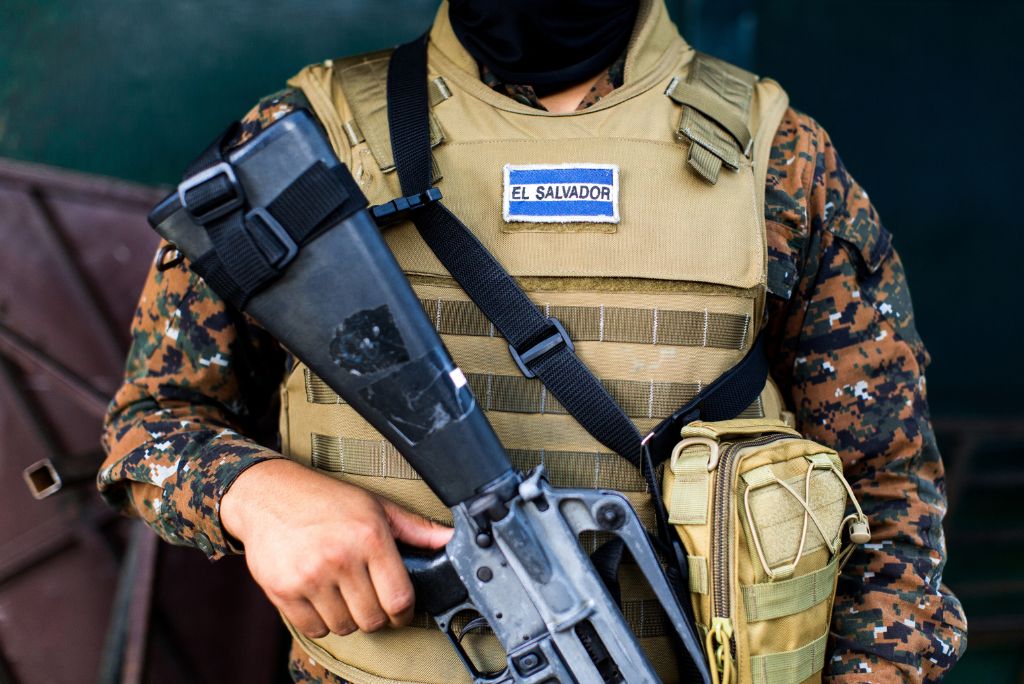
ID del elemento: 2444961159
El Salvador’s National Navy carried out a historic operation yesterday in the fight against drug trafficking by intercepting a vessel carrying 6.6 tons of cocaine, the largest single seizure ever recorded in the country. President Nayib Bukele reported that the operation took place 703 kilometers southwest of the Salvadoran coast, in international waters of the Pacific Ocean, and that the drugs were hidden in bundles inside the ship’s ballast tanks.
The estimated value of the illegal cargo is $165 million, a figure that reflects the scale of criminal networks operating in the region and their efforts to exploit legal loopholes or gaps in oversight to transport drugs to the United States and other international markets.
The vessel, identified as FMS EAGLE and registered under a Tanzanian flag, carried ten crew members of various nationalities, including Colombians, Nicaraguans, Panamanians, and one Ecuadorian. All were detained and handed over to Salvadoran authorities, who will initiate the corresponding judicial proceedings.
According to officials, the operation was made possible thanks to the work of specialized Navy divers, who carefully inspected the ballast tanks and secured the packages without incident. This high-risk operation combined maritime intelligence, specialized patrols, and coordination of tactical units, demonstrating El Salvador’s growing capacity to confront organized crime on the high seas.
Security experts warn that the Central American Pacific region has become a strategic corridor for drug trafficking. Cartels take advantage of the extensive coastline and limited surveillance to move large shipments of cocaine toward northern markets. This historic seizure shows that, although authorities are making progress, criminal organizations continue to find opportunities to operate if there is no international cooperation and firm border control policies.
For President Bukele, the seizure represents a strong step in protecting national sovereignty and combating organized crime. However, the case also highlights the consequences of lax policies promoted by the left and globalist progressivism, which weaken security and facilitate criminal activity.
Defending order, the law, the family, and free communities requires recognizing that the fight against drug trafficking is not just a policing matter, but a moral and strategic duty. Maintaining strong institutions, secure borders, and enforceable laws is essential to ensure citizen safety and preserve the traditional values that sustain our societies.
READ MORE:
About The Author