US and Israel Launch Coordinated Strikes on Iran: Supreme Leader Khamenei’s Whereabouts Uncertain Amid Escalating Conflict
There has been a dramatic escalation of tensions in the Middle East as the United States and Israel have initiated a series of coordinated airstrikes against Iran, targeting military installations, nuclear facilities, and key government sites in Tehran and other major cities.
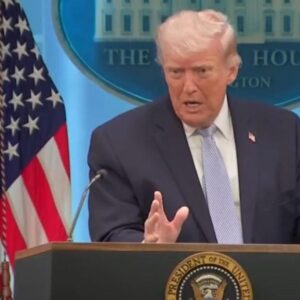
The operation, described by U.S. President Donald Trump as «major combat operations,» began early Saturday morning, with explosions reported across Tehran, Qom, Isfahan, Tabriz, Urmia, and Bushehr.
Iranian officials have vowed a «crushing response,» and the country has already launched multiple waves of ballistic missiles toward Israel, triggering air raid sirens and defensive intercepts across the Jewish state.
The strikes follow months of stalled negotiations over Iran’s nuclear program, with President Trump accusing the regime in Tehran of refusing to dismantle its enrichment facilities and commit to any verifiable, permanent agreement.
Israeli Prime Minister Benjamin Netanyahu has described the action as essential to «remove an existential threat» to Israel and the broader region, with the operation focusing on degrading Iran’s military and intelligence infrastructure as well as its nuclear and missile capabilities.
Targeting Iran’s Leadership: Khamenei’s Status in Question
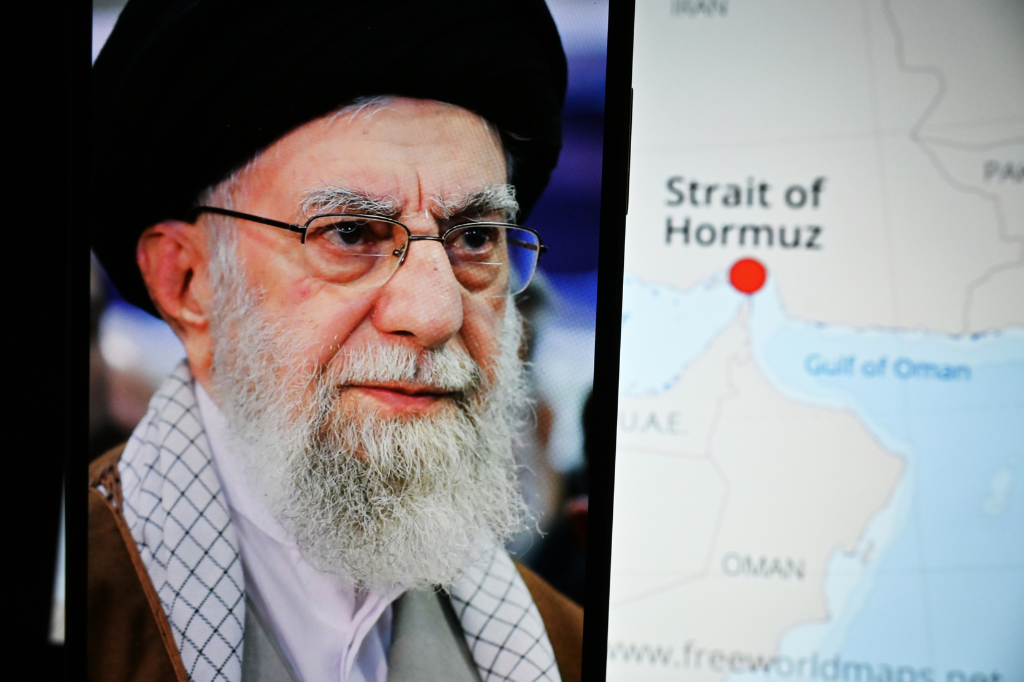
A primary focus of the initial strikes has been locations tied to Iran’s top leadership. Explosions were reported near the offices and fortified compound of Supreme Leader Ayatollah Ali Khamenei in downtown Tehran, including the Pasteur district and adjacent gated areas. Roads leading to Khamenei’s complex were quickly shut down by Iranian security forces, and thick smoke rose over central Tehran.
The 86-year-old Supreme Leader, who has made no public appearances in recent days, was reportedly moved from Tehran to a secure, undisclosed location shortly before the attacks began. Iranian state media has confirmed the evacuation for his safety, while unverified social media rumors have circulated claims that he may have fled the country, possibly to Russia.
No credible reports have emerged confirming that Khamenei has been captured, injured, or killed. Israeli officials have stated that both the Supreme Leader and President Masoud Pezeshkian were among the high-value targets, though the outcome remains unconfirmed.
Other senior figures have reportedly been impacted. President Pezeshkian is said to be «safe and sound» according to Iranian sources, but several high-ranking Islamic Revolutionary Guard Corps (IRGC) commanders—including Ali Shamkhani, long considered Khamenei’s right-hand man, and former Defense Minister Amir Hatami—are believed to have been eliminated in the strikes.
Rumors also point to the possible targeting of Judiciary head Gholam-Hossein Mohseni-Ejei, though Iran’s Foreign Minister has been confirmed safe.
Broader Targets and Iranian Retaliation
The joint U.S.-Israeli campaign has struck a wide range of strategic sites, including the Parchin nuclear complex near Tehran, the Khojir ballistic missile production facility, and multiple IRGC military bases.
President Trump has pledged to «destroy their missiles and raze their missile industry to the ground,» annihilate Iran’s naval forces in the Persian Gulf, and permanently neutralize its nuclear ambitions.
Israeli military assessments indicate that the opening wave of strikes achieved «very high success» in degrading Iran’s command structure and strategic capabilities.
In retaliation, Iran has fired successive barrages of ballistic missiles at Israel, with successful intercepts reported over Haifa Bay, Tel Aviv, and other population centers. Explosions have also been reported at U.S. military facilities in Iraq and Jordan, including bases at Al-Harir and Al-Salti that host American troops.
The United Arab Emirates has announced the interception of Iranian projectiles, while Bahrain has reported incoming fire. Iranian authorities have promised a «decisive and crushing response» to the attacks, raising the specter of further escalation.
Global Implications and Reactions
The strikes have plunged the region into crisis. Israel has declared a nationwide state of emergency, closed schools and non-essential businesses, and instructed citizens to remain close to bomb shelters. In Iran, reports indicate widespread internet disruptions, scattered protests, and growing uncertainty among the population.
President Trump has directly addressed the Iranian people, urging them to «take over your government» and «seize control of your destiny» in the face of what he called a failing regime. On social media platforms, Iranian opposition figures and activists have voiced support for the strikes, with some calling openly for the arrest of Ayatollah Khamenei and an end to the current leadership.
The situation on the ground remains highly fluid, with indications of ongoing second-wave strikes targeting Tehran’s presidential palace, intelligence headquarters, and additional military sites. The United States and Israel appear committed to continuing operations until Iran’s nuclear and missile threats are decisively eliminated.
Gateway Hispanic will continue to monitor developments closely as the conflict between Iran, Israel, and the United States risks spiraling into a broader regional war. Stay tuned for updates.
READ MORE:
About The Author