Pakistan Launches Airstrikes on Kabul and Declares ‘Open War’ Against the Afghan Taliban Following Deadly Border Clashes
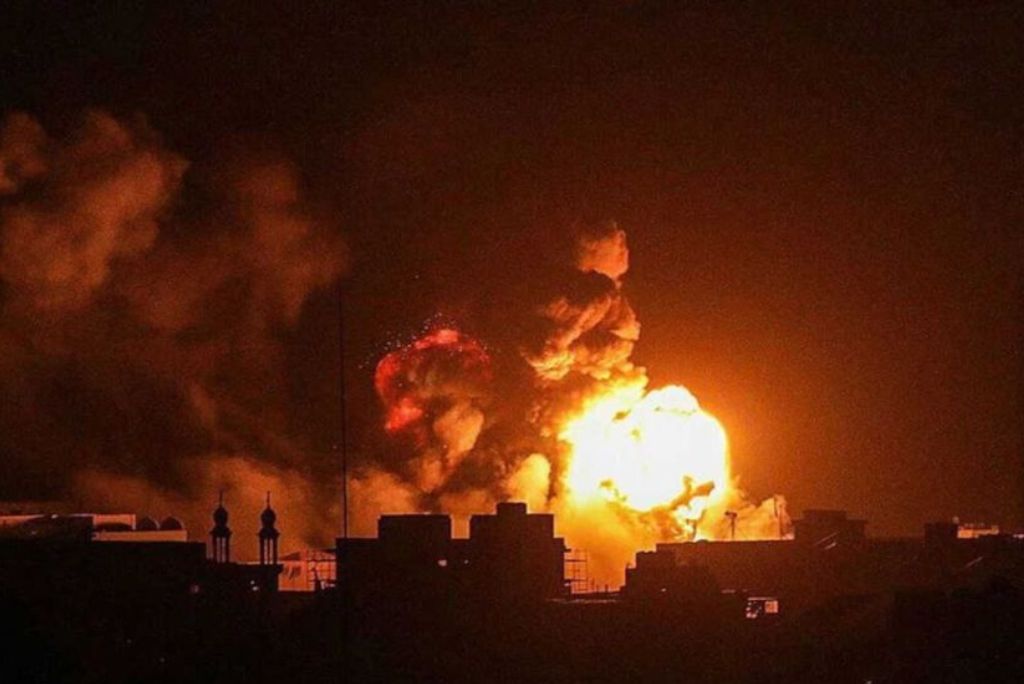
Pakistan has drastically escalated its confrontation with Afghanistan, bombing the capital Kabul and the provinces of Kandahar and Paktia, in response to cross-border attacks by the Taliban that left dozens dead at Pakistani military posts.
Didn't Trump say that he stopped the war? Pakistan continues To Strike Taliban Targets In Afghanistan Amid Signals Of 'Open War.' Pakistani war planes bombed Kabul just hours after Afghanistan and Pakistan traded strikes on each other in their volatile mountain border region as… pic.twitter.com/3Fa7sq9sFx
— Carlos Perez (@CarlosP95095856) February 27, 2026
Pakistan’s Defense Minister, Khawaja Asif, stated that «patience has run out» and proclaimed an «open war» against the Taliban regime, accusing it of harboring terrorists who export violence to Pakistan.
The Pakistani airstrikes, named ‘Operation Just Fury’, struck more than 20 targets, including Afghan defense installations, causing at least 274 casualties among Taliban fighters according to the Islamabad army.
Kabul residents reported secondary explosions at a weapons depot on the western outskirts, generating panic and fear of further violence.
Afghanistan responded with drones against Pakistani positions, claiming significant losses on the enemy side.
This marks a shift from proxy conflicts to direct hostilities, with Pakistan justifying its actions due to an increase in militant attacks originating from Afghan territory, such as the recent ones in Islamabad and Bajaur.
The bombing in Kabul represents a «decisive decision,» as attacking armed forces on sovereign territory amounts to a declaration of war.
The context dates back to growing tensions since 2021, when the Taliban took power in Afghanistan, with mutual accusations of providing refuge to groups such as the TTP (Pakistani Taliban).
We had previously reported on similar conflicts in 2025 at Gateway Hispanic, where Pakistan carried out airstrikes on Kabul and other provinces in October under ‘Operation Khyber Storm’.
This crisis highlights the failure of soft international policies, allowing regimes like the Taliban to destabilize the region without firm containment, thereby exacerbating global terrorist threats.
With at least 13 Afghan civilians killed and thousands displaced, the UN urges a ceasefire, but hostilities continue.
About The Author