Iran Appoints Mojtaba Khamenei as New Supreme Leader Following Ali Khamenei’s Death Amid the Largest Military Escalation in the Middle East in Years
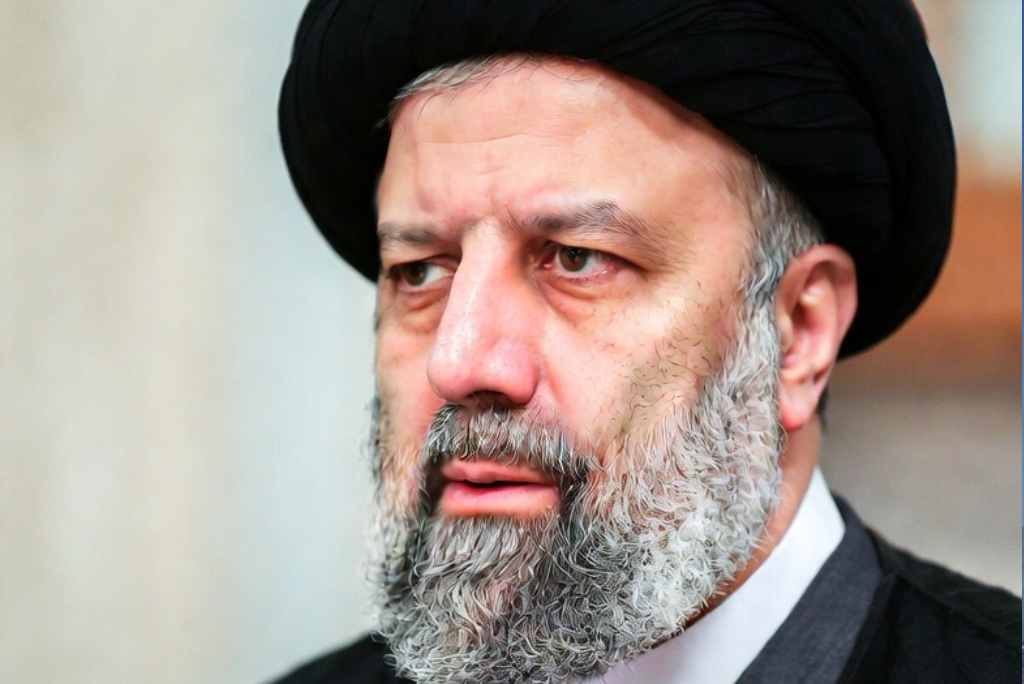
Iran enters a new political era with the appointment of Mojtaba Khamenei as the country’s new Supreme Leader, succeeding his father, Ali Khamenei, who had ruled the Islamic Republic for more than three decades. The announcement was made by Iranian state media and confirmed by the semi-official Fars News Agency, marking one of the most critical moments in the nation’s recent history.
The selection was carried out by the Assembly of Experts, the constitutional clerical body responsible for choosing the Supreme Leader following the death of the incumbent. This council of high-ranking Shiite clerics made the decision amid an extremely tense regional environment and increasing political and military pressure on the country.
With this appointment, Mojtaba Khamenei, 56, becomes the third Supreme Leader since the establishment of the Islamic Republic after the 1979 revolution. He inherits the most powerful position in the Iranian political system, which grants him decisive control over the military, foreign policy, judiciary, and the main strategic institutions of the state.
For years, Mojtaba Khamenei had been considered one of the leading candidates to succeed his father. Despite maintaining a relatively low public profile, his influence within Iran’s political and military circles was widely recognized. Analysts point out that he built a strong network of support within the state’s security apparatus, particularly the powerful Islamic Revolutionary Guard Corps, which plays a central role in defending the regime and conducting strategic operations both domestically and abroad.
The succession has sparked significant political debate. For the first time since the founding of the Islamic Republic, supreme leadership passes directly from father to son, a move seen by critics as a sign of increasing concentration of power within a single family. For decades, Iran had promoted its political system as an alternative to hereditary monarchies in the region, but Mojtaba Khamenei’s rise could be interpreted as a shift toward a more closed, dynastic model of leadership, drawing criticism from opposition groups and international observers.
The timing of this transition is particularly delicate. Iran faces one of the most tense periods in its recent history, with escalating confrontations involving Western powers and rising military activity across the Middle East, increasing the risk of a broader regional conflict.
The death of Ali Khamenei amid these conditions accelerated the succession process, forcing Iranian authorities to quickly appoint a new leader capable of maintaining political and military stability. In the hours following the announcement, senior government officials, religious leaders, and military commanders publicly pledged allegiance to Mojtaba Khamenei, signaling a clear effort to project unity and continuity at a moment of high uncertainty.
In Iran’s political system, the Supreme Leader holds the highest authority, unlike the president who is elected by popular vote. The leader has ultimate control over the armed forces, key judicial appointments, and major state decisions. He also wields the final say on critical issues such as the nuclear program, regional policy, and international alliances.
Mojtaba Khamenei’s rise opens a new chapter for Iran, with both domestic and international observers closely monitoring his leadership. His tenure begins amid one of the most volatile periods in the region, with escalating geopolitical tensions and uncertainty over the balance of power in the Middle East.
READ MORE:
About The Author