Lleida pushes fines of up to 750 euros for wearing the burka in public spaces under a civic conduct and security ordinance
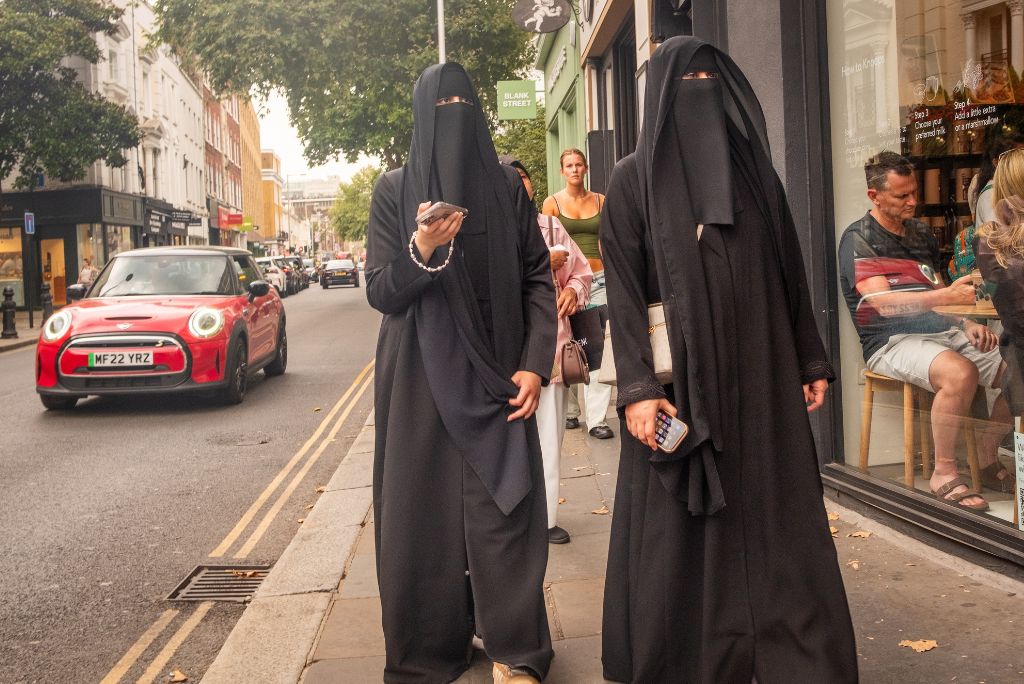
The debate over the use of the burka in public spaces has once again moved to the center of political discussion in Spain. The City Council of Lleida, governed by the Party of the Socialists of Catalonia (PSC), has proposed a civic conduct and coexistence ordinance that includes a ban on fully covering the face in public spaces and in municipal buildings. If approved, the measure would include financial penalties of up to 750 euros.
El PP de Lleida, sobre la prohibición del burka en Lérida que ha anunciado el PSC, ha dicho que el alcalde "no prohíbe el burka, lo regula de manera encubierta y lo legitima. Y mientras Illa dice que no ve burkas en la calle aquí tiene un ejemplo en el centro de Lérida" pic.twitter.com/Mld1cmIxNy
— Sergio Fidalgo (@SergiFidalgo) April 22, 2026
The proposal does not exclusively mention the burka, but in practice it targets any garment that prevents the identification of a person. According to the city council, the objective is to strengthen public safety and ensure coexistence, considering it essential that authorities be able to identify those moving through public spaces.
This type of initiative is not new in Europe; countries such as France and Belgium have already approved similar legislation in the past decade, citing reasons of security, social integration, and the defense of democratic values.
In Spain, however, the approach has been more fragmented, with local attempts that have at times clashed with higher courts over issues related to fundamental rights.
In the case of Lleida, the central argument revolves around identification. Municipal authorities maintain that it is not a religious issue, but one of public order.
However, critics of the measure warn that, although the rule is general, its application will primarily affect Muslim women who wear the burka or the niqab.
The debate also extends to the social sphere; some citizens believe that wearing garments that completely cover the face hinders coexistence and generates distrust, while others defend individual and religious freedom as fundamental pillars of a democratic society.
From a more critical perspective toward unlimited multiculturalism, this measure is interpreted as a belated attempt by local authorities to establish clear rules in the face of cultural practices that, for some sectors, are seen as incompatible with Western values.
The underlying question remains whether integration should imply adaptation to the norms of the host country or whether broad tolerance toward all cultural expressions should prevail.
If the ordinance is approved, Lleida would position itself as one of the pioneering cities in Spain in explicitly regulating this type of clothing in public spaces, opening the door for other municipalities to adopt similar measures.
About The Author