Trump Escalates Maximum Pressure on Cuba’s Dictatorship: Expanded Sanctions, Aircraft Carrier Deployment Looms, and Clear Warnings of Imminent Change on the Island
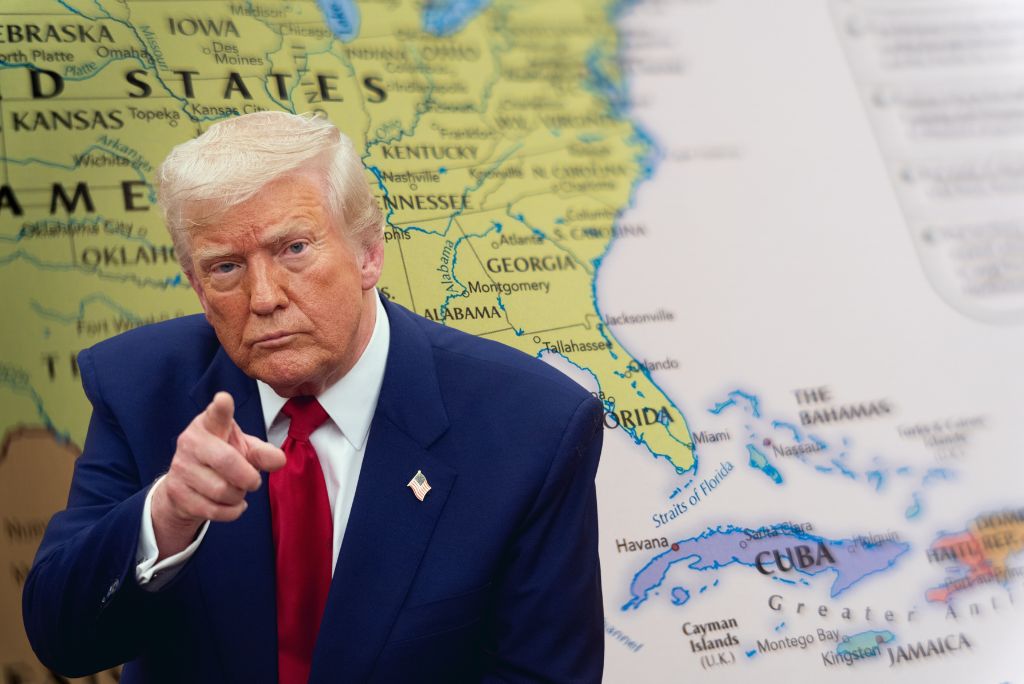
President Donald Trump has sharply intensified actions against Miguel Díaz-Canel’s regime in Cuba. In recent hours, he signed an executive order broadening U.S. sanctions on Cuban government officials, entities, and their enablers.
The measures target key sectors including energy, defense, mining, finance, and individuals involved in repression, corruption, or severe human rights abuses. This follows Trump’s public statements suggesting that, after operations in Iran, a major U.S. aircraft carrier such as the USS Abraham Lincoln could position near Cuban waters, with the president predicting a swift surrender.
These steps are part of a consistent strategy. Earlier in 2026, the Trump administration declared a national emergency citing the Cuban regime’s alignment with Russia, China, Iran, Hamas, and Hezbollah, along with its long record of internal repression and support for hostile actors.
By blocking Venezuelan oil shipments following U.S. operations in Caracas, Washington has deepened Cuba’s energy crisis, exposing the economic collapse of a system reliant on external subsidies.
Trump has been direct: “Cuba is next,” “we will take control almost immediately,” and references to “freeing” or “taking” the island in some form. He has emphasized the regime’s imminent collapse.
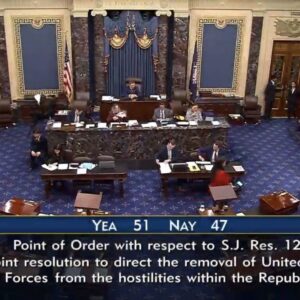
The Pentagon has accelerated contingency planning, while the Senate blocked a Democratic resolution aimed at restricting the president’s ability to act militarily without congressional approval. Republicans viewed the measure as premature, prioritizing national security.
From a conservative standpoint, this reflects a return to proven maximum-pressure policies against communist dictatorships. For over six decades, the Cuban regime has kept its people in poverty through rationing, chronic blackouts, mass youth emigration, and systematic suppression of dissent.
Sanctions do not “punish the Cuban people,” as Havana claims. Instead, they target the resources that sustain the repressive apparatus and intelligence machinery exporting regional instability.
Cuba is not a victim of imperialist “siege.” It is a failed state that has consistently chosen ideology, alliances with America’s adversaries, and totalitarian control over the well-being of its citizens. The new secondary sanctions threaten to sever Cuban entities’ access to the international financial system — a legitimate tool to force reform or internal collapse.
We previously reported on this at Gateway Hispanic, covering Trump’s description of Cuba as a “failed nation” and his emphasis that the regime’s collapse stems from internal failures, not solely external pressure, along with strong support from the Cuban exile community.
Díaz-Canel’s appeals to the “international community” and vows of total resistance repeat the familiar script of victimhood and invasion threats used to justify domestic control.
Few serious observers believe the Cuban people — exhausted by hunger and lack of freedoms — would enthusiastically defend their oppressors if a genuine opportunity for change arises.The Trump administration is acting with realism: Cuba poses a national security threat due to its proximity to the U.S., its role as a forward base for adversarial influence in the hemisphere, and the humanitarian suffering it perpetuates.
Economic pressure combined with military deterrence aims to accelerate the end of the Western Hemisphere’s last communist dictatorship — not for exile “revenge,” but for historical justice and regional stability.
About The Author