U.S. Secretary of State Marco Rubio delivered a blunt and uncompromising assessment of Cuba’s deepening economic crisis, asserting that the island’s problems stem not only from the U.S. embargo but from decades of failed socialist policies and mismanagement by the Castro-era regime. Rubio noted that while the embargo is codified under U.S. law, the reality is that “their economy doesn’t work,” and has survived for years only because of external subsidies first from the Soviet Union and later from Venezuela — subsidies that no longer exist and have left Cuba in a critical situation.
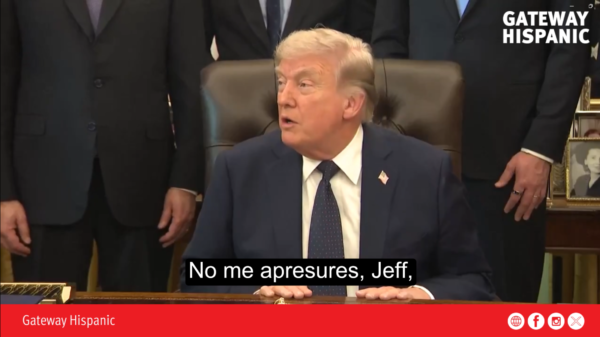
Speaking from the White House alongside President Donald Trump and other senior officials, Rubio described Cuba’s present economic condition as a “nonfunctional economy” that, deprived of external support, now faces severe difficulties and widespread shortages. He criticized the leaders in Havana for their inability to resolve the crisis, underscoring the Trump administration’s firm stance on linking continued sanctions — including the embargo — to the need for deep political and economic reforms.
Rubio seized the moment to call for new leadership on the island, emphasizing that the current regime has failed its own people and that recent announcements of economic reforms were insufficient to resolve the deep structural issues plaguing the nation. This position closely aligns with the Trump administration’s strategy of conditioning any potential relief or alteration of sanctions on meaningful political change, rejecting narratives that place sole blame on the embargo.
As Cuba struggles with widespread blackouts, shortages of basics, and rising social unrest, Rubio’s remarks support a tougher U.S. posture that aims to pressure the Cuban government to implement significant reforms or face further economic and diplomatic isolation. These comments also reflect broader Republican views that the root of Cuba’s woes lies in the regime’s rigid socialist system and denial of freedom, not solely external pressures.
Conservative analysts argue that this approach not only seeks to weaken the communist regime but also sends a clear message that the United States will stand firm against governments that do not respect individual rights and economic freedom for their citizens. They point out that Cuba’s crisis has deepened as external support has dried up, exposing the fragility of a system dependent on foreign subsidies rather than sustainable internal reforms.
In summary, Rubio’s stance reaffirms that U.S. policy toward Cuba remains anchored in demanding political accountability and systemic change in Havana, stressing that without profound transformation, any attempt to “fix” Cuba’s economy will fall short and continue to prolong the hardships faced by the Cuban people.