Japan Accelerates Its Historic Rearmament: Record Military Budget to Deter China and Redefine Power in Asia
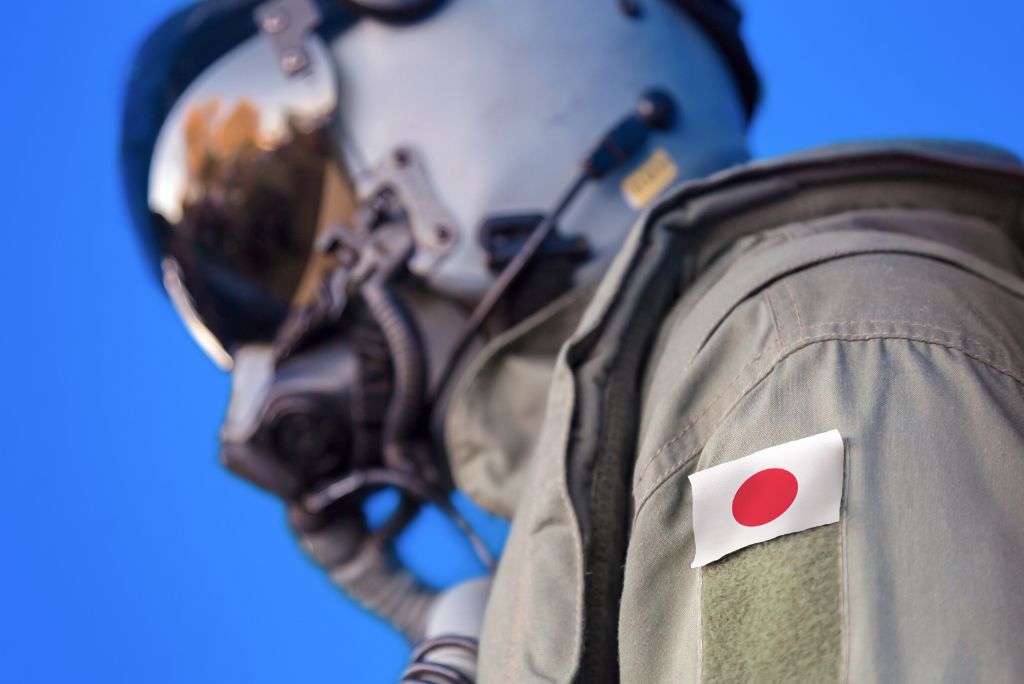
© The Art of Pics / Shutterstock
Japan has approved the largest defense budget in its history, a decision that breaks with decades of pacifist policy and confirms a profound shift in the global security architecture.
Under the argument of “deterrence,” Tokyo is preparing to confront China’s growing military pressure in an increasingly volatile regional context.
This strategic shift not only transforms Japan, but also raises the risk of a military escalation in the Asia-Pacific.
The new Japanese defense budget surpasses all previous figures and consolidates a rearmament plan that will extend over the coming years. According to official reports, Japan’s military spending is on track to represent around 2 % of its GDP, aligning with NATO standards—something unthinkable for Japan just a decade ago.
Among the main elements of the plan are:
- The acquisition of long-range missiles, capable of striking enemy targets before they can attack Japanese territory.
- The expansion of drone fleets and unmanned aircraft, key components of modern warfare.
- The strengthening of missile defense systems, in response to threats from China and North Korea.
- Enhanced military cooperation with the United States, particularly in technology, intelligence, and regional deployment.
This shift places Japan on course to become the third-largest military spender in the world, behind only the United States and China.
China, for its part, has reacted forcefully. Beijing accuses Japan of “abandoning pacifism” and acting as a strategic arm of Washington in Asia, particularly regarding Taiwan, one of the most sensitive flashpoints on the planet.
Japanese concerns are not merely theoretical. China has increased its naval and air presence in the East China Sea, near the Senkaku Islands—administered by Japan but claimed by Beijing.
Added to this is the constant threat posed by North Korea, which continues to test ballistic missiles, many of them following trajectories that fly over or land near Japanese territory, heightening the sense of vulnerability.
Domestically, the decision has not been without controversy. Segments of the Japanese population fear that this path could draw the country into foreign conflicts, while others believe that constitutional pacifism is no longer sufficient to guarantee national security.
Japan’s military budget is among the largest and most powerful in the world. Tokyo is definitively abandoning its postwar pacifist role and positioning itself as a key military pillar against China, driven by the United States.
This move reflects a troubling trend: global elites responding to instability with more weapons, more spending, and fewer freedoms, while citizens face inflation, debt, and social spending cuts. Japan is entering an arms race that may benefit the military-industrial complex, but that brings the world closer to a large-scale conflict.
The question is no longer whether Asia is becoming militarized, but who will pay the price when “deterrence” stops working.
About The Author