Trump Issues Devastating Ultimatum to Iran Over Oil Flow Through Strait of Hormuz
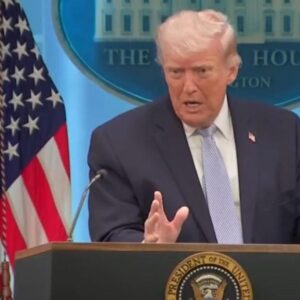
President Donald Trump issued an unprecedented ultimatum to Iran, warning that any attempt to disrupt the flow of oil through the strategic Strait of Hormuz would trigger a devastating military response. Trump stated that the United States would strike Iran “twenty times harder” than it has so far, significantly escalating tensions in a region already marked by instability and geopolitical conflict.
In his statement, Trump emphasized that the U.S. would target easily destroyable locations, ensuring that Iran would be left incapable of rebuilding as a nation. “Death, fire, and fury will reign upon them,” he declared, using stark language to underline the severity of the consequences for any interference.
The Strait of Hormuz is a critical route for global oil transport, with approximately one-fifth of the world’s crude passing through it. Any disruption would directly impact energy markets and could trigger a chain reaction affecting the global economy. Trump’s warning comes at a time of high volatility in oil prices and close scrutiny from U.S. strategic allies over developments in the region.
Experts in foreign policy note that the message serves a dual purpose: to assert U.S. strength in the face of Iran and to warn regional actors of the consequences of disrupting energy trade. The rhetoric is intended to deter Iranian actions by threatening overwhelming force while signaling that the United States is prepared to take preemptive measures to protect strategic interests.
Although the strategy could focus on specific military and infrastructure targets, the scale of the threat has raised concerns about a potential direct confrontation. Analysts emphasize that Trump’s words combine deterrence with diplomatic pressure, making it clear that the U.S. will not tolerate any action that jeopardizes national energy security.
In summary, the presidential warning represents a critical moment in global geopolitics. The international community is watching closely as control over oil transport and security in the Strait of Hormuz becomes a flashpoint of extreme tension that could reshape regional relations and influence energy markets worldwide.
READ MORE:
About The Author