New wave of U.S. and Israeli attacks on facilities in Iran and a bombing in Beirut intensify the war in the Middle East
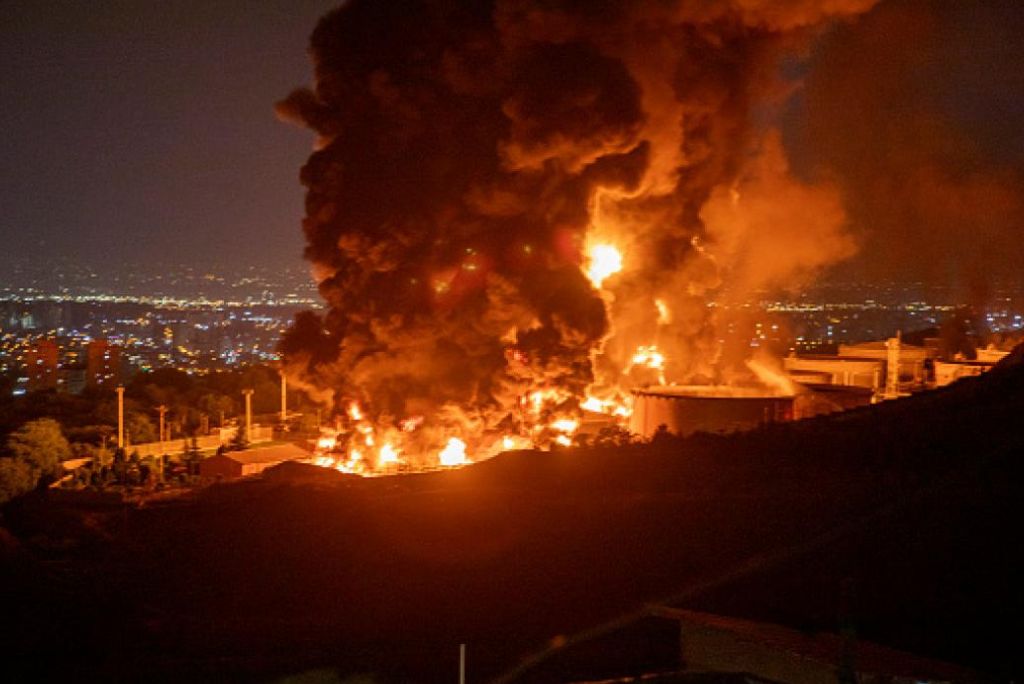
The war across the Middle East intensified overnight as airstrikes, missile launches, and political warnings spread across several countries. Military operations involving Israel, the United States, and Iran continued from Saturday night into Sunday, while regional powers and world leaders issued urgent statements in response to the rapidly expanding global conflict.
Military developments overnight
Late Saturday and into the early hours of Sunday, Israeli and U.S. strikes targeted strategic sites in Iran, including oil storage facilities and military structures around Tehran. Massive explosions and fires were reported in the Iranian capital after fuel depots were hit, sending thick columns of smoke over the city.
Israeli officials said the strikes were aimed at missile infrastructure, command centers, and logistical facilities linked to Iranian military operations. The attacks are part of the broader joint campaign known as Operation Lion’s Roar, which began on February 28 when Israel and the United States launched coordinated strikes against Iranian targets.
The conflict has already caused widespread damage in Iran, where officials report 1,200 dead and more than 10,000 injured after the first week of U.S. and Israeli attacks. Meanwhile, 1,619 Israelis have reportedly been hospitalized since the beginning of Operation Lion’s Roar.
Strike in Beirut and clashes with Hezbollah
In the early hours of Sunday, a new Israeli strike hit a hotel in central Beirut, Lebanon, killing at least four people and injuring others. Reports indicate that the attack targeted members of the Islamic Revolutionary Guard Corps – Quds Force.
Meanwhile, the Iran-backed militant group Hezbollah intensified its threats against northern Israel, warning residents of the Israeli border city of Kiryat Shmona to evacuate as exchanges of rockets and drones intensified along the border.
Israeli forces responded with additional airstrikes against Hezbollah positions in southern and eastern Lebanon.
Iranian retaliation and regional impact
Iran and its allied groups have responded with missile and drone attacks across the region. Gulf states such as Bahrain, Saudi Arabia, the United Arab Emirates, Qatar, and Kuwait have reported attacks or interceptions by their air defense systems throughout the week.
In Bahrain, a drone strike damaged a desalination plant, injuring several people and highlighting the vulnerability of civilian infrastructure in the region.
Oil markets have already reacted to the escalating conflict, with global prices rising amid fears that energy infrastructure could become a primary target of the war.
Statements from the United States and Israel
U.S. President Donald Trump defended the military campaign and warned that the war could continue for weeks if necessary. He also said the United States would only accept Iran’s “unconditional surrender” as a path to ending the conflict.
Israeli Prime Minister Benjamin Netanyahu stated that Israel will continue its operations against Iran and its regional allies. Netanyahu said Israel is operating with full force and argued that the campaign is changing the strategic balance in the Middle East.
Israel has also warned that it could target additional figures in the Iranian leadership if they continue directing attacks against Israeli territory.
Iran’s response
Iranian officials have promised retaliation. Government authorities in Tehran warned that the United States and Israel will “pay the price” for the war and vowed to continue attacks on U.S. military installations and key Israeli targets across the region
About The Author