The Asian Giant’s Growing Impact on Retail Sales in Hispanic America
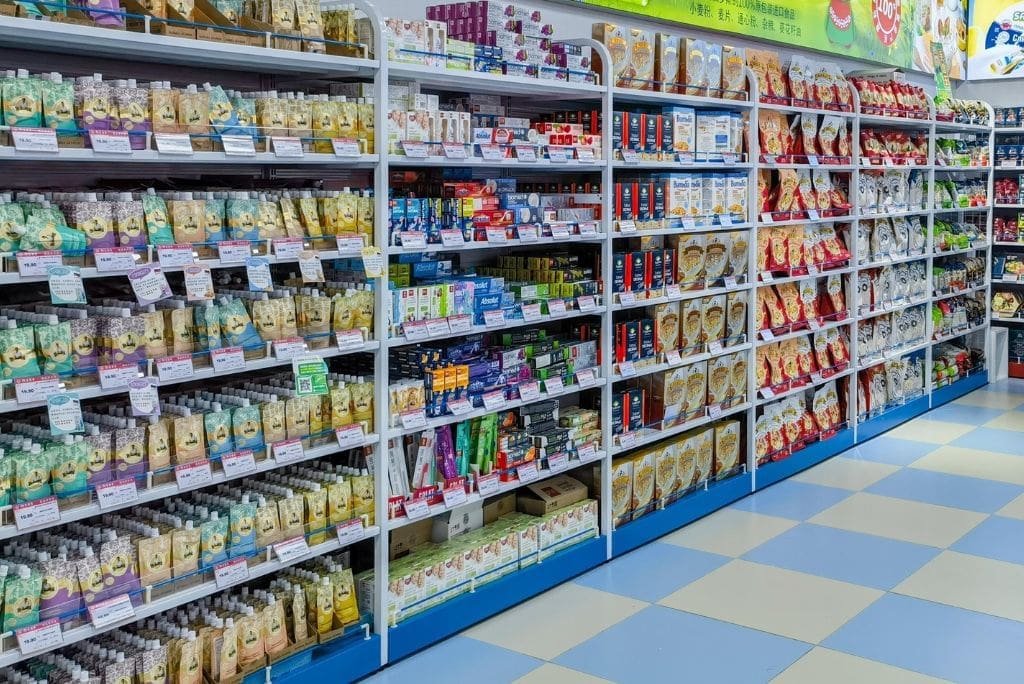
The Asian giant, China, is poised to disrupt retail sales in Hispanic America even further.
It’s not just competing with mass production but also with exploitative labor practices, including slave labor. This is made worse by massive advertising and propaganda campaigns, especially through social media platforms that are largely Chinese-owned.
Hispanic America still bears the scars of the pandemic, and online shopping trends are no exception. China was not only the birthplace of the coronavirus but also the epicenter of the global e-commerce boom. As a result, the world—and particularly online sales—was permanently altered, with China benefitting immensely from these changes.
According to Statista, the data analytics platform, e-commerce generated $122 billion in Hispanic America in 2022 alone. By 2026, this number is projected to reach $200 billion across the region.
This shift signals a major change in global influence. The U.S. had traditionally dominated Hispanic America due to its geographic proximity.
However, China is now asserting its presence through rapidly expanding platforms like AliExpress, Shein, and Temu.
Peru Set to Open New Chinese Investment Port
With the surge in product imports, the need for better infrastructure is clear. To meet this demand, China is set to inaugurate a massive new port in Chancay, Peru, in the coming days. This port will be officially opened during the Asia-Pacific Economic Cooperation (APEC) summit being held this week in Lima.
Mexico Goes Against the Grain
In contrast, Mexico is taking a different route. While China remains a key trade partner, Mexico’s proximity to the U.S. means it is still the U.S. that holds the largest share of the market, making it Mexico’s primary importer and buyer. Faced with this dilemma, despite its government’s left-wing leanings, Mexico has chosen to align with the U.S. over China.
“There is a dispute between China and the United States, much stronger now than it was a few years ago,” said Mexico’s Secretary of the Economy, Marcelo Ebrard, at a business forum. “And we already have a plan for the path we’re going to follow,” he added.
This could be the first in a series of similar decisions across the region. Former U.S. President Donald Trump announced that he would impose tariffs of up to 60% on Chinese imports to prioritize domestic production. His «America First» slogan resonated with American workers, positioning Trump as their champion.
This shift turned the Republican Party into the party of the working class, while the Democratic Party became more associated with elites, career politicians, Hollywood, and corporate media—further alienating working-class communities like miners in West Virginia, who turned away from the Democrats and voted Republican.
With the right formula, this trend could also benefit Hispanic America. As the region begins to see the dangers of cheap Chinese products—especially in terms of their low quality—there could be a resurgence of Americanism that challenges this growing influence.
Could the U.S. Displace China in Hispanic America?
Could the U.S. replace China in Hispanic America, just as it has in Mexico? Just as Trump successfully attracted the working-class vote in the U.S., a similar shift could occur in Hispanic America. By turning left-wing, sovereignty-based, anti-imperialist rhetoric—which claims to protect human rights—against the Chinese communist regime, which is responsible for widespread human rights abuses, including the enslavement of Uighur Muslims and other ethnic and religious minorities, the region could find a new economic and political path forward.
This would be a checkmate, not only in economic terms but also politically and ideologically. Much like the U.S., Hispanic America could begin to recognize that the left does not protect workers. In fact, under left-wing regimes, it is often the workers who suffer the most.
This also serves as a sobering lesson for those who believe that everything can be solved through free-market principles. As a businessman, Trump prioritized commerce while skillfully implementing protectionist policies to protect against threats from regimes like China’s.
About The Author